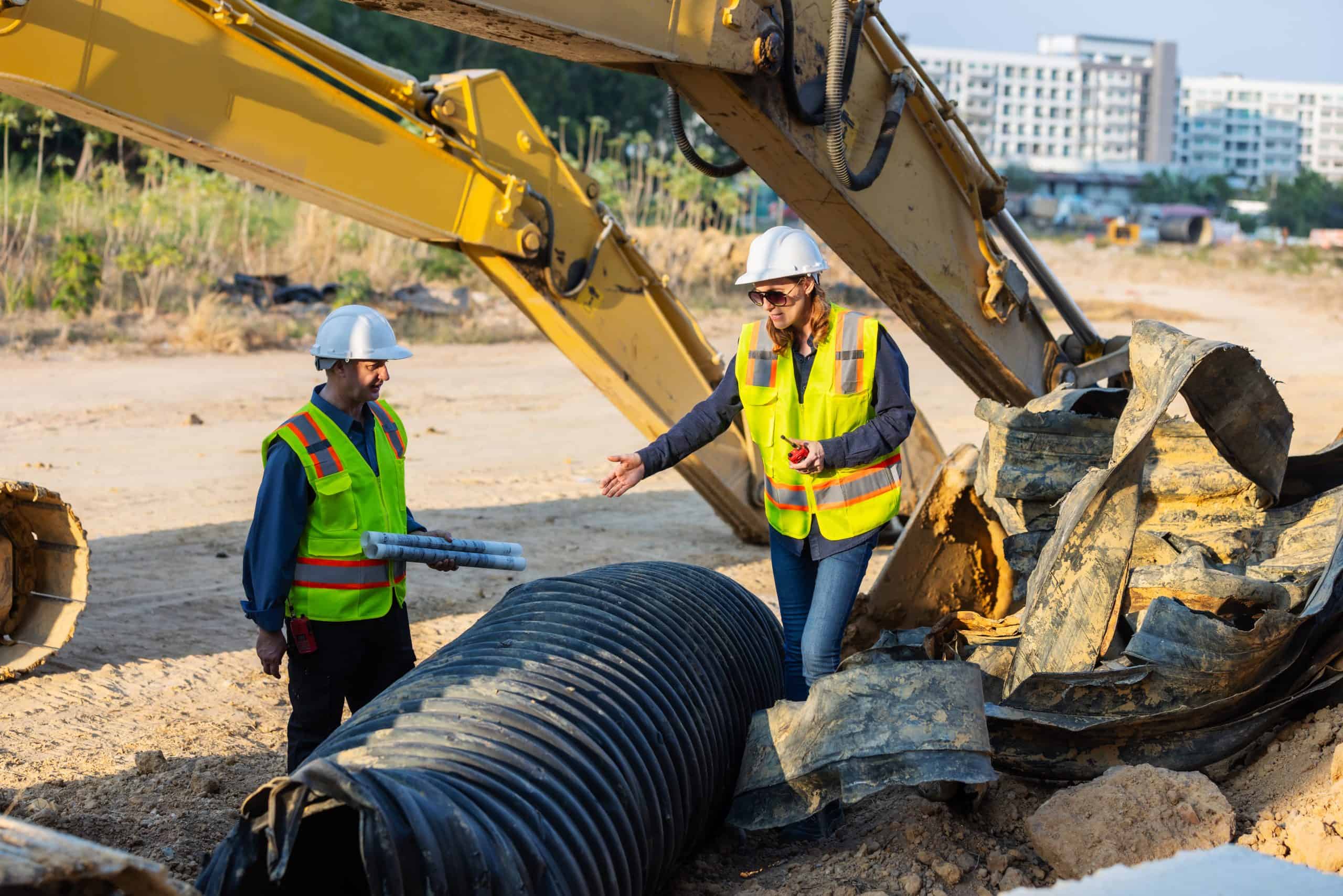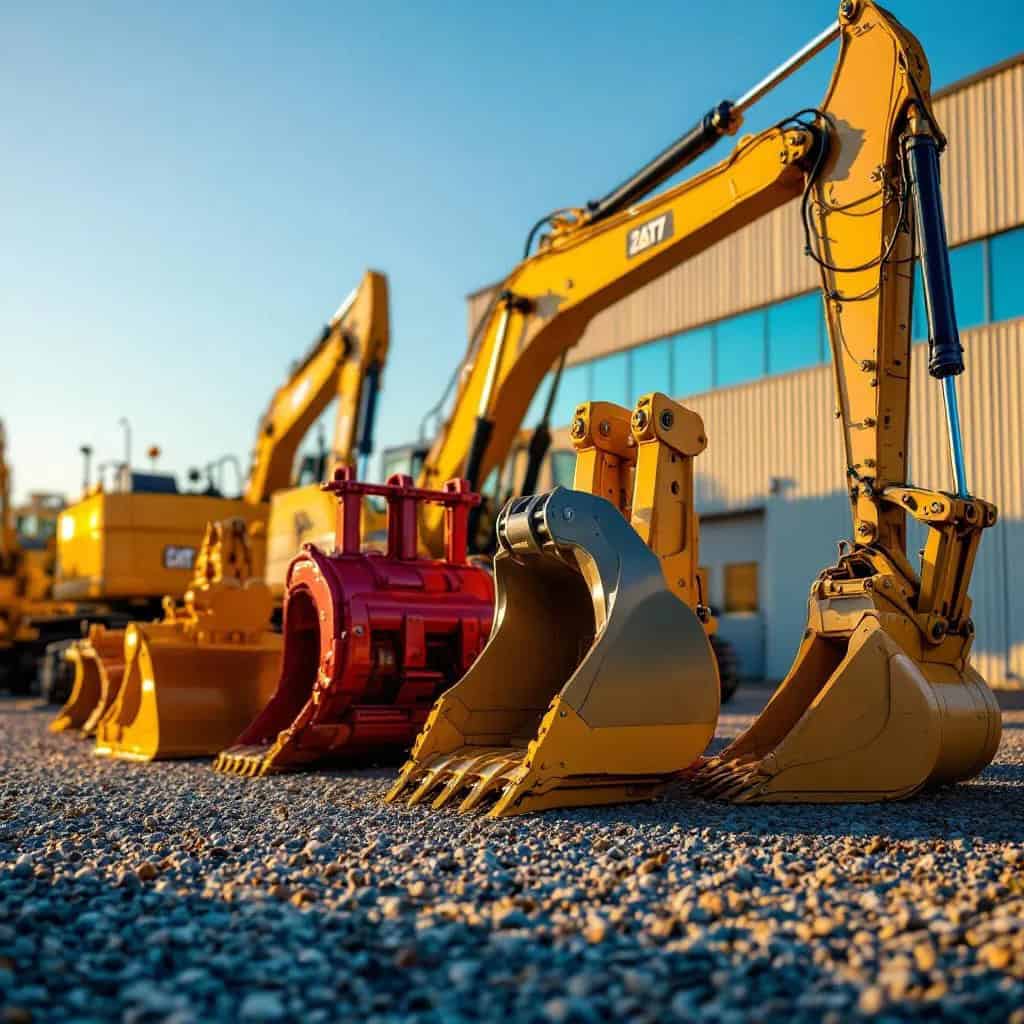
Excavator attachments turn basic diggers into multi-tool workhorses. One machine handles dozens of jobs. Digging, breaking, drilling, crushing. Whatever the site needs.
The right attachments can make contractors around 40-60% faster in many applications. Results vary big time by job type, operator skill, and specific conditions. Five-day projects? Often done in three. Labour costs often drop 25-35% when using specialised attachments.
The challenge? Knowing which attachments deliver real value versus unnecessary expense.
Wrong attachment choices cost money. Oversized buckets exceed lifting capacity and tip machines. Undersized hammers take twice as long to break concrete. Incompatible hydraulics cause poor performance and excessive wear.
This guide covers the excavator attachments that actually matter. Essential bucket types, hydraulic hammer selection, specialised attachments like augers and grapples, and quick-hitch systems that multiply efficiency. Plus maintenance practices that extend attachment life and protect your investment.
Note: Specifications, prices, and performance figures in this guide reflect general industry ranges and may vary by region, manufacturer, and specific conditions. Always verify current information with manufacturers and local dealers before making purchase decisions.
Power Your Business with STM Trucks & Machinery
Whatever the size of your business, our experienced sales team will help you get the best from your budget.
Understanding Excavator Attachment Systems
Connection systems and hydraulic requirements form the foundation of attachment versatility. Get these wrong and nothing else matters.
Connection Methods and Quick Hitch Systems
Excavator attachments connect through different systems. Pin-on setups to automatic couplers. Each has tradeoffs.
Traditional pin-on systems need manual installation. Steel pins and bushings lock attachments to the excavator arm. Maximum breakout force. Rock-solid connections. The catch? Each change takes 15-30 minutes. Someone has to climb down and wrestle pins.
Quick-hitch systems change everything. Mechanical systems drop changeover from 30 minutes to under 2 minutes. Hydraulic couplers? Under 60 seconds. Stay in the cab. No ground crew waiting around. Modern systems include multiple lockouts. Secondary pins. Position sensors. Visual and audible warnings.
Here’s where it gets annoying. Compatibility varies wildly between manufacturers. European systems use 45mm pins. Japanese manufacturers go 40mm. American equipment features 50mm pin centres. You need adapter plates or dedicated attachment inventories. Always verify compatibility specifications for your specific equipment and location.
Hydraulic Requirements and Excavator Matching
Flow and pressure matter with hydraulic attachments. Your excavator has auxiliary circuits for this. Secondary systems are separate from the main boom and arm functions.
Flow rates typically run 30-200 litres per minute, varying by excavator model and auxiliary circuit configuration. Small hydraulic thumbs? 30-50 LPM does it. Medium breakers want 80-120 LPM. Large crushers demand 150-200 LPM.
Pressure requirements? 150-350 bar for different attachment types. High-pressure systems deliver greater force for demanding work. Match attachment specs to excavator capabilities. Oversized attachments exceed hydraulic capacity. Undersized tools waste available power.
Essential Digging and Earthmoving Attachments
Buckets and rippers handle the bulk of excavation work. Multiple specialised types exist for different materials and applications.
General Purpose and Digging Buckets
Digging buckets. The attachment every excavator has. Most common for good reason.
Bucket capacities range from 0.1 to 6 cubic metres. Mini machines (1-6 tonnes)? You get 0.1-0.3m³ buckets. Mid-size excavators (10-25 tonnes) take 0.5-1.5m³. Large machines (30+ tonnes) handle 2-6m³ for serious earthmoving.
Bucket teeth matter more than people think. Sharp, pointed teeth (30-45 degree tips) penetrate hard ground and compacted clay. They wear fast in abrasive conditions, though. Often require replacement every 150-300 hours in sandy or rocky ground, though wear rates vary significantly. Blunt teeth last longer in rocks. Better breakout force, too.
Understanding how different soil types affect penetration and wear helps contractors choose the right tooth configuration and bucket design for their conditions. Cohesive clays need aggressive teeth angles, while abrasive sands demand wear-resistant materials.
Cutting edges come bolt-on or welded. Bolt-on edges swap easily. Welded edges give maximum strength. Replace at 50-70% wear and save the bucket structure.
Specialised Bucket Types and Applications
Specialised buckets solve specific problems. Worth knowing about these.
Grading buckets feature wide profiles. Usually 1.5 to 3 times wider than standard digging buckets. Smooth, flat cutting edges for final grading and slope prep. Essential for road construction and landscaping.
Trenching buckets use narrow profiles. Usually 200-600mm widths versus 600-1800mm for standard buckets. Often minimises spoil volume by 40-60% compared to wider buckets. Less backfill is needed.
Rock buckets incorporate heavy-duty construction. Reinforced bottoms, abrasion-resistant steel, tough tooth systems. Handle rocky conditions where standard buckets would die quickly.
Riddle buckets feature perforated bottoms. Spacing runs 50-150mm. Separate fine materials from rocks and debris during handling. Perfect for site cleanup.
Maximising excavator digging efficiency means matching bucket type to material characteristics and job requirements. Wrong bucket selection costs time and increases fuel consumption.
Ripper Attachments for Ground Breaking
Ripper teeth use concentrated force through hardened steel points. Usually 400-600 Brinell hardness. Fracture hard ground, frozen soil, and compacted surfaces.
Single-shank designs deliver maximum penetration force. Break frozen ground and heavily compacted surfaces. Multi-shank configurations (usually 2-5 teeth) offer better productivity in moderate conditions.
Frost breaking represents a critical winter application. Rippers penetrate frozen surfaces, enabling normal excavation during cold weather. Pavement removal benefits from ripper penetration. Fractures concrete and asphalt for easier removal.
Breaking and Demolition Attachments
Hammers, crushers, and shears handle demolition and material processing. Each serves specific breaking and cutting applications.
Hydraulic Hammer Types and Operation
Hydraulic hammers convert excavator hydraulic flow into percussive energy. High-pressure hydraulic oil drives a steel piston upward against the pressure of nitrogen gas. Then releases rapidly. Delivers 400-1,400 impacts per minute through hardened tool steel into concrete, rock, or asphalt.
Small hammers (50-500kg) generate 200-800 joules. Light concrete work and residential foundation removal. Medium units (500-1,500kg) produce 1,000-5,000 joules. General commercial demolition and 300mm reinforced concrete. Heavy-duty hammers (1,500kg+) exceed 8,000 joules. Massive concrete structures and solid rock excavation.
Tool configurations change, breaking performance dramatically. Moil points are conical tools with 30-90mm diameter tips. Concentrated force exceeding 50,000 PSI contact pressure. Perfect for initial fracturing and precision breaking of reinforced concrete. Chisel tools create controlled fracture lines for structural demo. Blunt tools deliver maximum impact area for crushing.
Material characteristics determine hammer selection. Reinforced concrete demands high impact energy and tough construction. Asphalt and thin concrete allow lighter hammers with higher frequency operation.
Crusher and Pulveriser Attachments
Concrete crushers use powerful hydraulic jaws. Generate 50-500 tonnes of crushing force. Serious power.
Fracture reinforced concrete structures into manageable sizes. Take 600-900mm sections and reduce them to 75-150mm aggregate. Suitable for recycling or disposal. On-site crushing eliminates transport costs. Reduces environmental impact through material recovery and reuse.
Cost savings include reduced disposal fees, eliminated transport costs, and recovered material value. Environmental benefits include reduced landfill demand and conservation of virgin aggregate resources. The math works out fast on larger demo projects.
Processing rates often range from 10 to 100 cubic metres per hour, depending on material characteristics, crusher size, and reinforcement density. Small crushers (for 12-18 tonne excavators) process 10-25m³/hour. Large crushers (35+ tonne excavators) exceed 70-100m³/hour.
On-site crushing eliminates transport costs. Reduces environmental impact through material recovery and reuse. Cost savings include reduced disposal fees and recovered material value.
Shear Attachments for Metal Processing
Hydraulic shears use opposing blades. Usually hardened steel or high-carbon alloy with reversible cutting edges. Powerful hydraulic cylinders generate 100-2,000 tonnes of shearing force. Cut through steel beams, structural sections, and metal components. No thermal cutting equipment needed. No torches. No sparks.
Steel beam cutting requires precise blade positioning and adequate cutting force. Get it right and you get a clean separation. Get it wrong and you’re wrestling with partially cut metal.
Reinforcement bar processing? Critical for concrete recycling. Systematic rebar removal lets you process concrete properly. Clean separation means better material recovery.
Specialised Drilling and Material Handling
Augers, grapples, and thumbs expand excavator capabilities beyond basic digging and breaking. Each handles specific material handling or drilling tasks.
Auger Attachments and Components
Augers? Pretty straightforward. The hydraulic drive motor connects to a helical drilling bit. Penetrates soil, clay, and soft rock. Rotational cutting plus continuous spoil removal through the helical flight.
Hydraulic drive motors deliver 2,000-15,000 Nm torque. Small 150-300mm augers need 2,000-4,000 Nm for fence post holes. Medium 400-600mm units want 5,000-8,000 Nm for foundation piers. Large 800-2,000mm augers demand 10,000-15,000 Nm for deep foundation drilling.
Standard earth bits handle general drilling in soil, clay, and soft materials. May achieve 0.5-2 metres per minute penetration in typical soil conditions, though rates vary significantly. Rock bits incorporate tungsten carbide cutting edges. Drill hard clay, shale, and soft rock where standard steel teeth would wear fast.
Fence post installation represents the most common use of an auger. Usually 200-300mm diameter and 600-900mm depth. Foundation pier drilling demands accurate positioning and consistent dimensions.
Grapple Attachments for Material Handling
Hydraulic grapples utilise opposing jaws that are operated by hydraulic cylinders. Grasp, lift, and position irregular materials. Jaw geometry varies from parallel designs for uniform objects to curved configurations for logs and round materials.
Gripping force specifications range from 5 to 50 tonnes, depending on the grapple size. Small grapples generate a grip force of 5-15 tonnes. Heavy-duty grapples can exert clamping forces exceeding 40-50 tonnes. Handle massive concrete sections and structural steel beams.
Demolition grapples feature tough construction. Usually 50-100mm thick steel jaws with AR400 abrasion-resistant plating. Sorting grapples incorporate precision control for material separation and recycling. Log grapples feature curved jaws for timber handling with secure grip patterns.
Proper techniques for installing grapples on excavators ensure safe operation and prevent hydraulic system damage. Verify pin engagement, hydraulic connections, and weight distribution before lifting loads.
Thumb Attachments for Enhanced Control
Mechanical thumbs use spring-loaded mechanisms. Heavy-duty coil springs generate 5-15 tonnes of closing force. Automatically adjust to material size. Consistent gripping pressure without hydraulic power or additional controls.
Hydraulic thumbs incorporate dedicated cylinders. Precise control over gripping force and positioning. Installation options include permanent mounting for dedicated work or quick-disconnect systems for flexibility.
Pipe handling benefits from thumb assistance. Prevents rolling. Secure control during positioning. Concrete placement uses thumbs for the precise positioning of precast elements.
Quick Hitch and Coupler Systems
Quick-hitch systems multiply excavator versatility by enabling rapid attachment changes. Time savings and labour reduction deliver measurable ROI.
Coupler Types and Operation
Manual couplers require the operator to exit from the cab. Usually, a 2-5 minute changeover time, including ground-level pin installation. Maximum strength for demanding work through direct pin-and-bushing connections.
Hydraulic couplers enable attachment changes from the operator seat. Hydraulic pin engagement systems complete changes in 30-90 seconds. Safety lockout mechanisms include secondary locking pins, position sensors, and visual/audible warnings. Prevent accidental disconnection during operation.
Benefits and ROI Considerations
Time savings from rapid attachment changes improve operational efficiency significantly. Contractors switching between three attachments daily may save 40-80 minutes versus manual pin-on systems. Often, around 8-15% increased productive time. Actual savings depend on attachment types and changeover complexity.
Labour reduction often eliminates ground personnel needs during changes. Improves safety, too. Versatility improvements allow single excavators to perform multiple functions.
Break-even typically occurs within 4-18 months for contractors averaging 2+ attachment changes daily, though individual results vary significantly. Calculate ROI based on your specific utilisation patterns and local pricing. When comparing ownership costs against rental rates, they are often around £50-250 per day, depending on attachment size and type. Check local rental rates as regional variations are significant.
Top Excavator Attachment Brands
Brand selection matters more than most people realise. Parts availability when something breaks at 2 PM on a Friday. Warranty support that actually picks up the phone. Long-term reliability that doesn’t leave you stuck mid-project.
Choose established manufacturers with proven track records. The cheap knockoff might save money up front. Then you double the downtime and repairs.
Leading Global Manufacturers
Caterpillar dominates the global excavator attachment market. An estimated 35-40% market share according to industry reports. Makes sense when you see their range. Over 150 different configurations.
Designed specifically for CAT excavators with guaranteed hydraulic compatibility. No guessing whether flow rates match. No adapter plate headaches. Extensive dealer support worldwide means you can get parts almost anywhere.
Premium pricing? Absolutely. But parts availability matters when you’re on a deadline. Worth the extra cost for most operations.
Kobelco manufactures high-quality attachments engineered for its excavator ranges. Emphasises durability and performance in demanding work. Komatsu offers comprehensive attachment lines, including advanced technology features and integrated control systems.
Stanley Infrastructure specialises in hydraulic breakers and demo attachments. Industry-leading impact energy and reliability. An extensive range covers light residential to heavy industrial applications.
Specialised Attachment Manufacturers
Paladin focuses on heavy-duty attachments. Crushers, grapples, and material handling tools built for extreme applications. Tough construction that takes a beating.
NPK produces hydraulic hammers and demo attachments. Known for durability and performance in challenging conditions. These things last.
Genesis manufactures innovative demo attachments. Processors, shears, and material handlers designed for maximum productivity and operator safety. Quality stuff.
Choose established brands for parts availability. Warranty support that actually responds when you need it. Proven reliability in your specific work.
Consider excavator compatibility first. Then, local dealer support. Application-specific expertise matters too. Evaluate the total cost of ownership. Not just purchase price. Factor in maintenance costs and productivity benefits. The cheapest option upfront often costs more long-term.
Maintenance, Inspection, and Safety
Proper maintenance preserves attachment performance while ensuring safety. Daily checks and systematic wear part replacement prevent costly failures.
Daily Inspection and Preventive Maintenance
Run systematic visual inspections before each operating session. Non-negotiable.
Check for hydraulic leaks. Visible oil on cylinders or hoses means trouble. Look for damaged hoses. Cracks, bulges, or exposed wire braiding. Check loose connections. Worn components like bushings, pins, and cutting edges are showing excessive play or damage.
Regular maintenance covers the basics. Grease pivot points. Check hydraulic fluid levels. Inspect wear parts. Monitor for structural cracks. Don’t skip these.
Establish service intervals based on operating hours and conditions. Not calendar time. Actual use matters more than dates on a schedule.
Wear Part Management and Replacement
Monitor cutting edges, teeth, and other consumables for replacement timing. Replace when worn 50-70% of the original thickness. Or showing cracks, chips, or deformation. Prevent damage to attachment structures. Costs 10-50 times more to repair than preventive wear part replacement.
Stock critical wear parts to minimise downtime. Establish replacement schedules based on usage patterns. Premium components often provide better value through extended service life despite higher initial costs.
Store attachments on level surfaces with proper support. Clean thoroughly after use. Protect hydraulic connections from contamination during storage periods.
Safety Inspection Procedures and Compliance
Examine the attachment structure for cracks. Particularly in high-stress weld zones and cylinder mounting points. Loose bolts. Worn bushings (showing excessive play beyond 2-3mm radial movement) before each use. Prevent catastrophic failure during operation.
Check hydraulic systems for leaks and proper operation. Test all functions under no-load conditions. Verify safety systems function correctly and all guards remain in place.
Maintain inspection records for regulatory compliance and trend analysis. Document what you find wrong and what you did about it. Simple record keeping that saves your neck later.
Make sure whoever’s doing inspections actually knows what they’re looking at. Training or real experience. Not just someone with a clipboard.
Safety regulations and inspection requirements? They vary by region. Sometimes wildly. Consult local authorities and manufacturer guidelines for what applies in your area. Don’t assume what works in one place flies everywhere.
Selection Criteria and Investment Decisions
Smart attachment selection starts with understanding work requirements and calculating realistic ROI. Match capabilities to actual needs, not wishful thinking.
Matching Attachments to Your Applications
Attachment selection starts with honest answers. What materials do you actually handle? How often? What are your site conditions like? What production targets are you chasing?
Material characteristics drive most decisions. Breaking reinforced concrete? You need high-impact hammers. Sorting recycling materials? Precision grapples do the job. Drilling fence posts? Get the auger torque and diameter right.
Check excavator compatibility first, though. Hydraulic flow and pressure capacity matter. Weight limits matter. Mounting compatibility matters. Wrong matches cause poor performance. Or worse, equipment damage. Expensive lesson.
Application frequency determines whether you should buy or rent. Daily use? Ownership makes sense. Occasional needs? Rent it. Calculate annual utilisation hours realistically. Not optimistically.
ROI Analysis and Purchase vs Rental Decisions
ROI calculations need to cover the real costs. Purchase price, obviously. But also operating expenses like maintenance, consumables, and hydraulic power. Then utilisation rates. How many hours per year will you actually use the thing?
Productivity improvements matter most, though. Specialised attachments often save 20-60% time versus manual methods or alternative equipment. Results vary big time by job type and conditions. Your mileage will vary.
Break-even calculations determine the minimum utilisation levels required for investment recovery. Usually occurs at 60-70% annual utilisation. Approximately 350-400 hours per year for most attachment types.
Ownership makes sense when annual utilisation exceeds 350-400 hours. Lower costs per operating hour. Complete control over availability and maintenance. Rental works better for occasional needs, specialised one-off projects, or trying attachments before purchase.
Many contractors see ROI within 6-24 months when purchasing attachments for regular use, though timeframes vary based on utilisation and application. Individual results vary significantly based on utilisation rates, purchase prices, and operating conditions. Verify current pricing and calculate ROI based on your specific situation.
Making Smart Attachment Investments
Excavator attachments change the game. One machine replaces 3-8 specialised units. Handle excavation, breaking, drilling, crushing, cutting, and material handling all with the same excavator.
Smart attachment selection starts with an honest assessment of your actual work. Not what you might do someday. What you do now. Match capabilities to real job demands. Material types, production targets, site constraints, and excavator compatibility all matter.
Connection systems and hydraulic requirements form the foundation. Get these wrong and nothing works right. Quick-hitch systems, especially hydraulic couplers, cut downtime dramatically. Productivity jumps when you’re not wasting 20 minutes per attachment change.
Build your collection based on proven needs. Essential attachments first. Multiple bucket types for different materials. Hydraulic hammers are sized properly for breaking tasks. Then specialised tools like augers, grapples, and crushers.
Brand selection matters more than people think. Parts availability. STM Trucks & Machinery offers expertise in matching attachments to specific excavator models and applications. Their team helps contractors evaluate compatibility, hydraulic requirements, and ROI calculations before making investment decisions.
Maintenance preserves your investment. Daily checks catch problems before they become expensive failures. Systematic wear part replacement prevents catastrophic damage.
Calculate realistic ROI. Purchase when annual utilisation exceeds 350-400 hours. Rent for occasional needs. Build your attachment inventory gradually based on what you actually use.
With proper selection, systematic inspection, and preventive maintenance, excavator attachments deliver real value. More versatility. Faster completion. Lower costs.
Important: Specifications, performance figures, and pricing information in this guide represent general industry ranges. Equipment capabilities, costs, and requirements vary significantly by manufacturer, model, region, and operating conditions. Always verify current specifications, pricing, and regulatory requirements with manufacturers and local dealers before making equipment purchase or rental decisions. Consult qualified professionals for advice specific to your operational needs and local conditions.