Pick the wrong excavator size and you’ll pay for it. Too small and you’ll struggle with heavy materials and deep digs. Too big and you’ll waste money, tear up tight sites, and deal with unnecessary headaches.
With excavators ranging from compact 1-tonne units to massive 80+ tonne industrial machines, getting the size right determines whether your project succeeds or fails. This detailed breakdown explains how different size categories affect project efficiency and costs.
Once you’ve identified the right size for your needs, you can explore our complete excavator guide to compare features, costs, and how to choose the best machine for your project.
You need to understand what different machines can actually do, what your project really requires, what your site can handle, and what it’ll cost you. Get these factors wrong and you’ll either blow your budget or miss your deadlines.
Power Your Business with STM Trucks & Machinery
Whatever the size of your business, our experienced sales team will help you get the best from your budget.
Understanding Excavator Size Classifications and Specifications
Size Categories From Mini to Ultra-Heavy Excavators
Excavators break down into five main categories based on weight and what they can actually do.
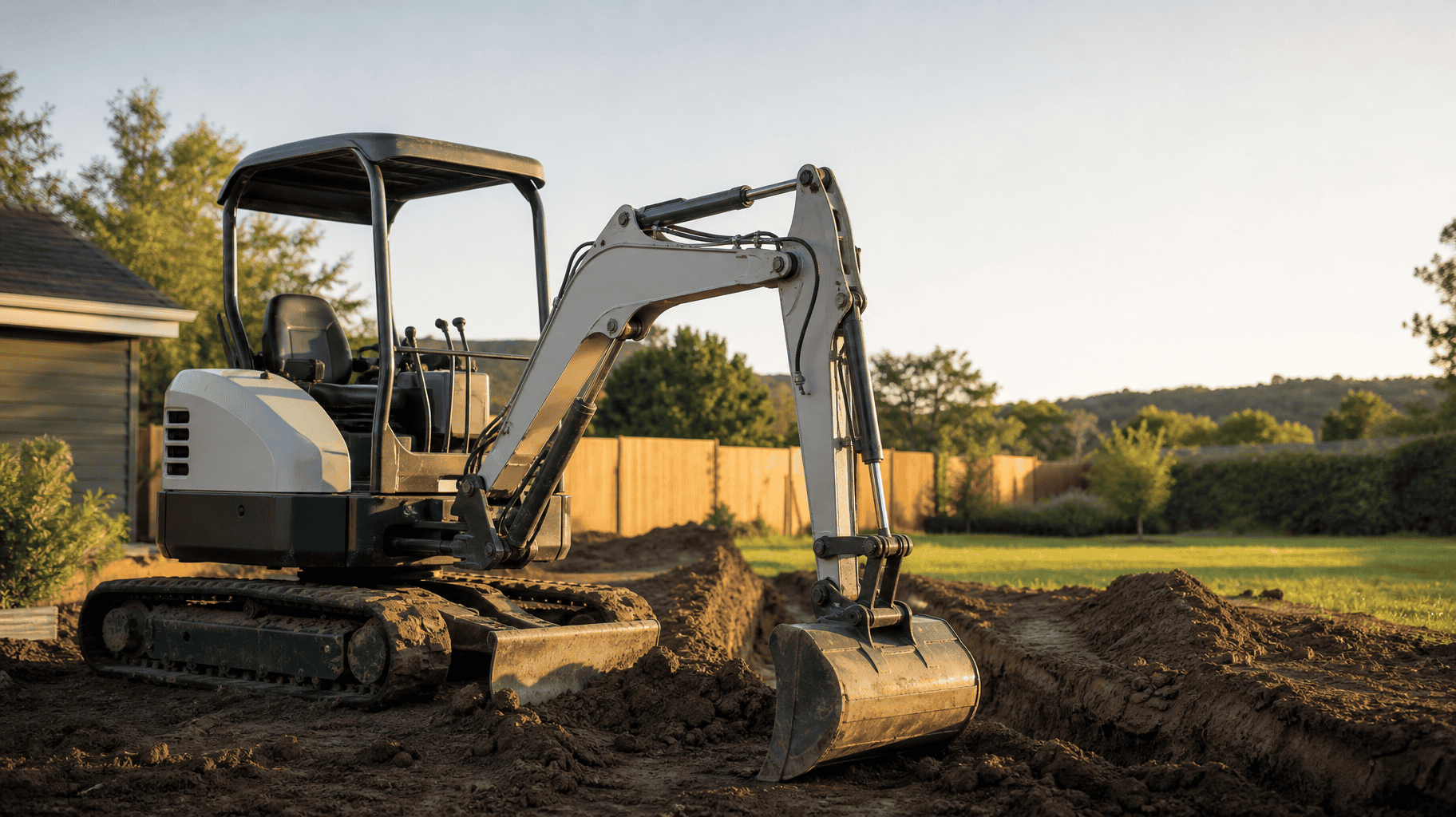
Mini excavators run 0.8-6 tonnes. Perfect for tight spaces and precision work where you can’t afford to mess up the surrounding area.
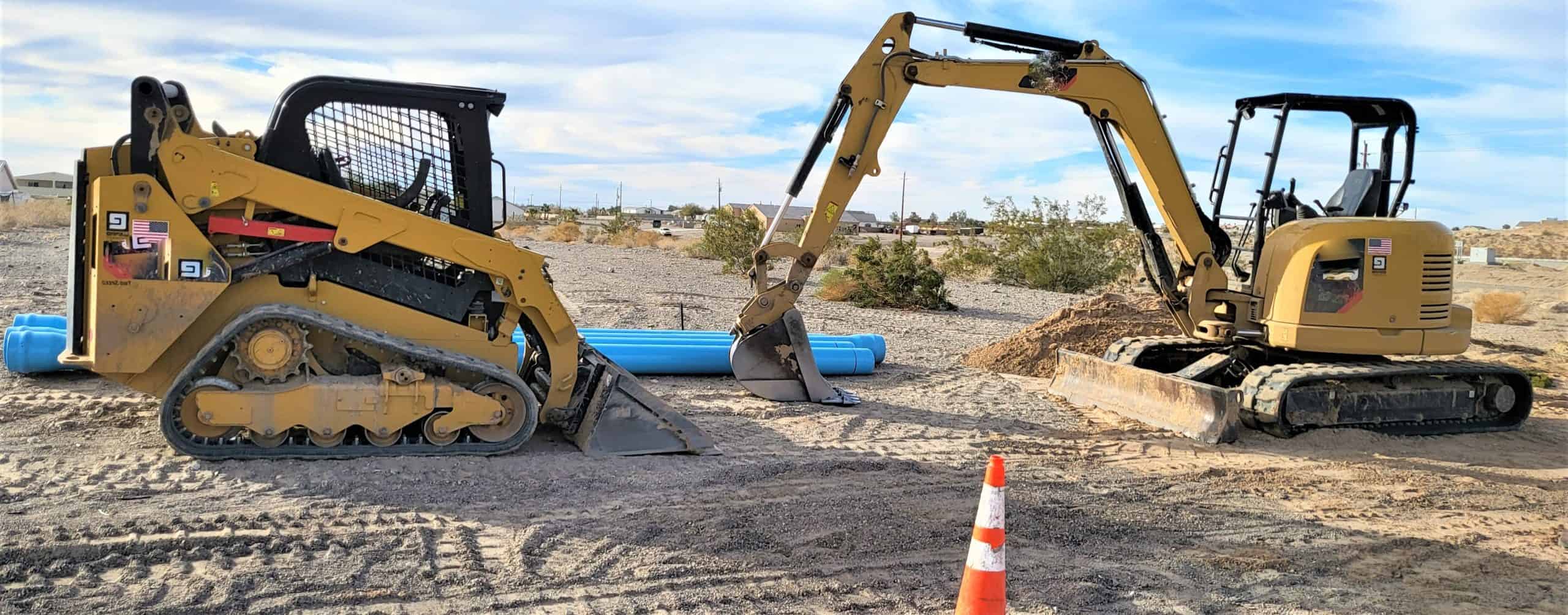
Small excavators range in size from 6 to 15 tonnes. These give you decent versatility for general construction while staying manageable for transport and operation.
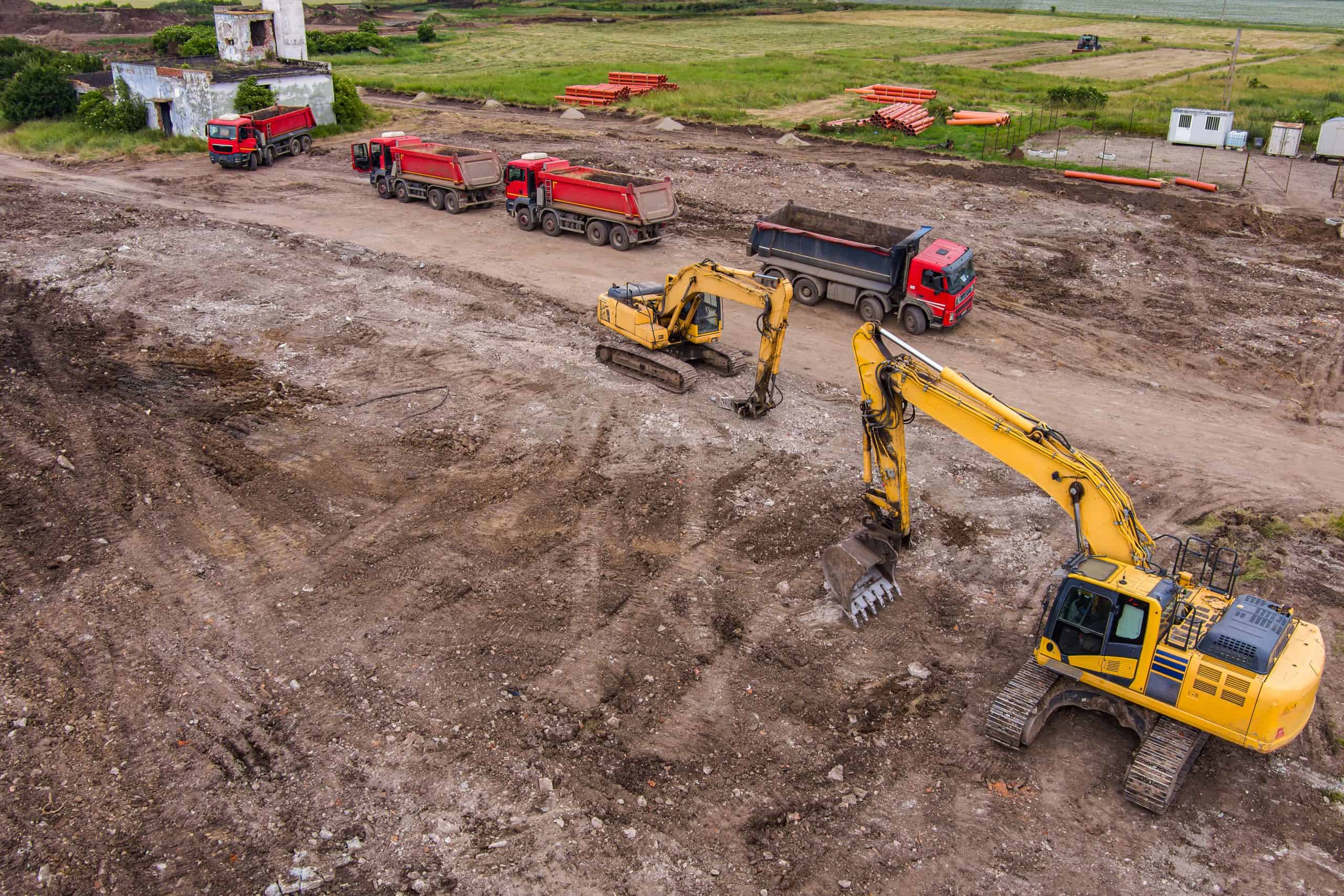
Medium excavators cover 15-30 tonnes. Now you’re getting serious power for commercial construction and infrastructure jobs where productivity matters.
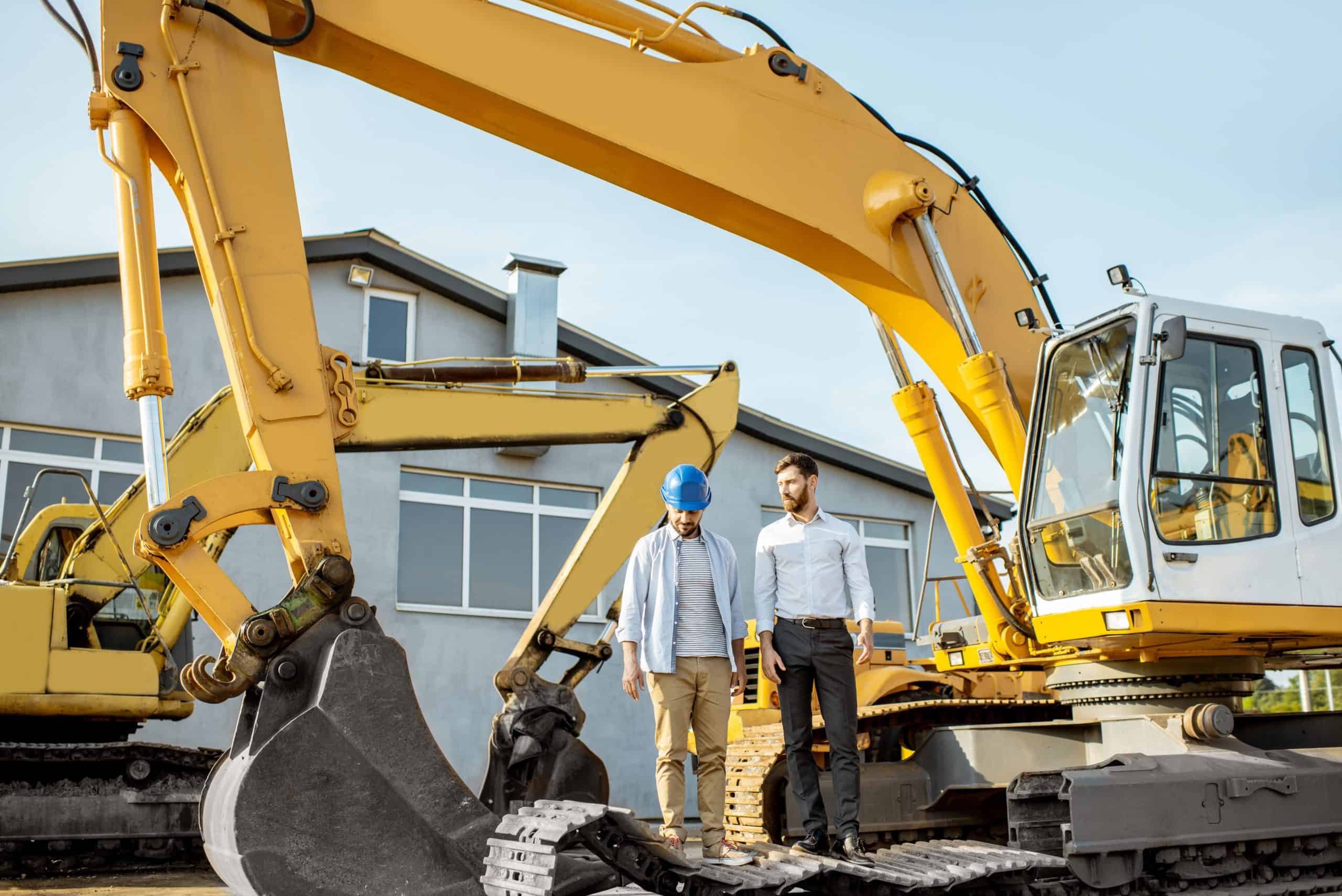
Large excavators range from 30 to 80 tonnes. These are heavy-duty machines for major earthmoving and industrial work where you need to move serious amounts of material.
Ultra-heavy excavators exceed 80 tonnes. Built specifically for mining, quarrying, and massive infrastructure projects where nothing smaller will cut it.
Operating weight determines everything about how the machine behaves. Lighter machines move around more easily and won’t damage soft ground as much. Heavier units stay stable, reach further, and lift more, but they need more planning for transport and site access.
Each size category requires different operator skills, transport arrangements, and site preparation. Be aware of these differences upfront, or you may be surprised by complications and additional costs you didn’t plan for.
Key Performance Specifications by Size Range
The specs change dramatically as you move up in size, and these numbers directly impact whether the machine can effectively perform your job.
Dig depth ranges from 2-3 metres for compact units up to 15+ metres for large excavators. Maximum reach goes from 4-5 metres to 20+ metres as you scale up.
Bucket capacity jumps exponentially with size. Mini excavators handle 0.1-0.5 cubic metres per scoop. Heavy units move 5+ cubic metres at a time. That’s the difference between precision work and serious production.
Lifting capacity follows a similar pattern, ranging from 1-3 tonnes for small machines to 50+ tonnes for the larger machines. This matters when you’re placing pipes, moving precast concrete, or handling structural steel.
Engine power ranges from 15 to 50 horsepower for compact machines to over 500 horsepower for heavy-duty units. More power means faster hydraulics, quicker cycle times, and higher productivity.
Transport gets complicated as machines get bigger. Mini excavators ride on standard trailers. Anything over 30 tonnes requires specialised heavy transport, including permits and route planning. These logistics add real costs and timing constraints to your project.
Mini Excavators (0.8-6 tonnes) for Compact Power and Precision Work
Size Variations and Capabilities Within Mini Range
Even within the mini category, different-sized excavators handle different jobs.
1-tonne units squeeze through 700mm openings. Perfect for indoor work and spaces where nothing bigger fits. They dig 2-3 metres deep and reach about 4 metres out.
1.7-2 tonne excavators balance access with more power. They fit through 1.2-metre openings but have better breakout force for tougher soil. Still compact but more capable than the smallest units.
2.5-3 tonne machines are the sweet spot for residential work. Many offer zero-tail-swing designs so you can work tightly against walls and fences. They dig 3-4 metres deep with excellent stability.
3.5-4 tonne excavators bridge the gap between mini and small categories. They provide significant power while still fitting on most residential sites. Great for pipe installation, demolition, and commercial landscaping with 4-5 metre dig capability.
5-6 tonne machines are as big as mini excavators get. They almost work like small excavators but still squeeze into tight spots. Perfect for tough residential jobs and light commercial work when you need to get things done fast.
Ideal Applications and Project Types
Residential landscaping is mini excavator territory. Swimming pool excavation, retaining walls, drainage systems, and garden preparation. The precision control lets you work around existing structures without tearing everything up.
Utility trenching benefits from mini excavator precision and access. Water, sewer, gas, electrical – these jobs need accuracy to hit proper grades and avoid existing infrastructure. Narrow trenching buckets maximise efficiency.
Indoor demolition and renovation require machines that actually fit inside buildings. Basement excavation, floor removal, and structural modifications where bigger machines can’t go. The precise control prevents expensive mistakes in tight quarters.
Foundation work for residential and small commercial buildings matches the mini excavator’s capabilities perfectly. Accurate excavation depths, clean foundation prep, and excellent finish quality without overkill.
Access Constraints and Site Limitations
Access width determines your maximum machine size period. Standard residential gates fit 1-tonne units (700mm width). Most residential access handles 1.7-2 tonne machines (1.2 metres). Bigger mini excavators need 1.5-2.5 metre access depending on specs.
Height restrictions matter too. Power lines, bridges, and building overhangs – they all limit what you can use. Most mini excavators work within 2.5-3 metre height limits, but transport height might be different due to boom position.
Ground pressure becomes critical on finished surfaces, weak soils, or sensitive areas. Mini excavators generate 0.3-0.6 bar ground pressure, suitable for most residential surfaces without protection measures.
Transport stays simple with mini excavators. Standard trailers handle most units without permits or special arrangements. This keeps logistics costs reasonable and scheduling flexible.
Mid-Size Excavators (7-25 tonnes) for Versatile General Construction Work
Small to Medium Range Capabilities (7-15 tonnes)
The 7-15 tonne range hits the sweet spot for general construction contractors. You get substantial capability while keeping size and transport manageable.
These machines dig 5-7 metres deep with an 8-10 metre reach. That covers most commercial foundations and utility projects without going overboard on size.
Bucket capacity runs 0.5-1.5 cubic metres, moving material efficiently for medium-scale projects. Lifting capacity reaches 5-8 tonnes at close range, handling pipe installation, precast placement, and general material handling.
Engine power ranges from 50 to 120 horsepower, providing robust hydraulic flow for demanding attachments and efficient cycle times. You maintain productivity for commercial work without excessive fuel consumption or complexity.
Transport stays compatible with standard equipment trailers, keeping logistics simple and cost-effective. Gross weights typically stay under 20 tonnes, avoiding permit hassles for most transport needs.
Medium to Large Range Power (15-25 tonnes)
Excavators in the 15-25 tonne range provide significant power increases for demanding commercial and infrastructure applications. Dig depths extend 6-9 metres, with reach capabilities of up to 12+ metres, making them suitable for large building foundations and major utility installations.
Bucket capacities increase to 1.5-2.5 cubic metres, dramatically improving productivity for bulk earthmoving applications. Lifting capacity reaches 10-15 tonnes, enabling handling of large precast elements, structural steel, and heavy materials.
Enhanced stability from increased weight enables operation on slopes and uneven terrain whilst maintaining safety margins. Counterweight increases provide lifting capability whilst maintaining stability during material handling operations.
These machines work great for both commercial construction and light industrial jobs. Road construction, big commercial buildings, infrastructure projects – they handle all of it without needing heavy equipment permits or special transport arrangements. You get serious capability while keeping the logistics simple.
Optimal Applications for Mid-Size Excavators
Commercial construction demands mid-size capability for efficient work. Office buildings, retail centres, industrial facilities – these projects need productivity levels that smaller machines can’t deliver cost-effectively.
Road construction and infrastructure leverage mid-size reach and power for efficient earthmoving, drainage installation, and utility placement. The capability matches typical infrastructure needs while keeping operating costs reasonable.
Major utility installation for commercial and industrial projects requires mid-size reach and lifting capacity. Large pipe installation, manhole placement, infrastructure construction – you need precision combined with substantial capability.
Mid-size excavators are perfect for general earthmoving and site prep work. They handle everything from residential developments to big commercial projects. You get good productivity without the high operating costs of larger machines – the sweet spot for most contractors.
Large Excavators (25-80 tonnes) for Heavy-Duty Power and Major Projects
Large Excavator Categories and Capabilities
Large excavators in the 25-45 tonne range provide substantial capabilities for major commercial and infrastructure projects. Dig depths reach 8-12 metres with horizontal reach extending 15+ metres. Perfect for large building foundations and major earthmoving where productivity is everything.
45-65 tonne machines offer enhanced capability for heavy industrial and infrastructure work. These units achieve 10-15 metre dig depths with exceptional reach and lifting capacity for major construction and material handling.
65-80 tonne excavators bridge heavy construction and light mining applications. Their specs approach mining equipment levels while remaining suitable for general construction. When you absolutely need maximum capability short of dedicated mining equipment.
Bucket capacity ranges from 2 to 6 cubic metres, depending on size and application. Lifting capacity reaches 25-50 tonnes, handling massive structural elements and heavy industrial equipment that nothing smaller can touch.
Infrastructure and Industrial Applications
Highway and major road construction jobs need big excavators to get the work done efficiently. You’re moving massive amounts of material, installing drainage systems, and prepping infrastructure. These projects demand production rates that only large machines can deliver without breaking your budget on labour costs.
Major commercial and industrial facility construction leverages large excavator reach and power for deep foundation excavation, major utility installation, and site preparation. You need capabilities beyond what mid-size machines can deliver.
Mining and quarrying operations rely on large excavators for stripping overburden, moving materials around, and supporting other equipment. These machines almost match dedicated mining equipment in capability, but you can still use them for regular construction work when needed.
Dam construction and major water projects need large excavators for the heavy lifting. You’re moving enormous amounts of earth, helping with concrete placement, and handling massive materials in tough conditions. Nothing smaller has the muscle to get this work done efficiently.
Project-Specific Sizing Considerations
Excavation Depth and Reach Requirements
How deep you need to dig determines the smallest excavator that can actually do the job. Residential foundations usually need 2-3 metres of depth – mini excavators handle this perfectly. Commercial foundations often require depths of 4-6 metres, so you’ll need small to medium excavators to achieve the necessary reach.
Major infrastructure and industrial foundations may require 8+ metres depth, necessitating large excavator capability. Underground parking and deep utility installation can demand 10-15+ metres, requiring the largest commercial excavators.
Horizontal reach requirements affect excavator selection when working from fixed positions or across obstacles. Residential applications typically require a 5-8 metre reach, whilst commercial projects may demand 10-15+ metre capability.
Combined depth and reach requirements often determine excavator selection more than individual specifications. Projects requiring both deep excavation and extended reach typically require larger machines than depth or reach alone would suggest.
Material Type and Soil Conditions Impact
Soft stuff like sand, topsoil, and loose fill is easy to dig. Smaller excavators work fine in this material – you don’t need a bigger machine just because you can rent one. Pick the right bucket and you’ll be plenty productive.
Hard soils, including clay, shale, and compacted fill, demand increased breakout force, often requiring larger excavators than excavation volume alone would suggest. Rocky conditions may need hammer attachments and substantial machine weight for stability.
Wet conditions affect excavator selection through reduced traction and increased weight requirements for stability. Soft ground may require low ground pressure machines or matting systems regardless of excavation requirements.
Abrasive materials accelerate wear rates, favouring robust machines with enhanced wear packages. These conditions may justify larger excavators for improved durability and reduced maintenance needs.
Production Rate and Timeline Considerations
Project timelines determine minimum productivity requirements that influence excavator size selection. Tight schedules may require larger machines to achieve necessary production rates despite higher operating costs.
Production rate calculations compare machine capability against project requirements to determine optimal sizing. Larger machines typically provide exponentially higher production rates through increased bucket capacity and cycle efficiency.
Cost-per-unit production analysis balances machine operating costs against productivity to determine economically optimal sizing. This analysis often favours larger machines for substantial projects despite higher hourly costs.
Weather windows and seasonal constraints may require accelerated production rates, favouring larger excavators capable of maximising productivity during available working periods.
Site Constraints and Access Limitations
Transport and Mobility Requirements
Transport regulations limit maximum excavator size based on trailer capacity, road restrictions, and permit requirements. Standard equipment trailers accommodate machines of approximately 20 tonnes without special permits.
Oversized transport permits become necessary for larger excavators, adding cost and complexity whilst restricting transport timing and routing. These requirements significantly impact project logistics and costs.
Bridge weight limits and road restrictions may prevent access for large excavators, forcing the selection of smaller machines despite potentially reduced productivity. Site access evaluation must precede final sizing decisions.
On-site mobility requirements, including soft ground, steep slopes, or confined areas, may favour tracked machines or specific undercarriage configurations regardless of other sizing considerations.
Ground Conditions and Stability Factors
Ground bearing capacity determines maximum allowable ground pressure, potentially limiting excavator size regardless of project requirements. Weak soils may require low ground-pressure machines or ground protection systems.
Slope stability considerations favour lighter machines with lower centres of gravity for safe operation on inclined terrain. Steep slope work may require winch-assisted operation or specialised equipment regardless of excavation requirements.
Underground utilities and existing structures may limit excavation methods and machine selection. Precision requirements may favour smaller machines despite potentially reduced productivity.
Environmental sensitivity, including noise restrictions, emission requirements, or protected areas, may influence machine selection toward specific sizes or technologies.
Urban and Confined Space Considerations
Urban environments typically present multiple constraints, including access limitations, noise restrictions, operating hour limitations, and neighbour considerations. These factors often favour smaller, quieter machines despite potentially higher costs.
Confined site work requires careful space planning and machine selection to ensure adequate working room whilst maintaining safety clearances. Oversized machines may prove impossible to operate effectively in tight spaces.
Overhead restrictions, including power lines, bridges, or building overhangs, may limit excavator selection regardless of ground-level project requirements. These constraints require careful evaluation during planning phases.
Public access and safety considerations may favour smaller machines that minimise site disruption and safety risks in populated areas.
Cost Implications of Excavator Size Selection
Purchase and Rental Cost Variations by Size
Mini excavator rental costs typically range from £300 to £ 800 daily, depending on size and local market conditions. Purchase prices span £30,000-150,000 for new machines, with used options available from £15,000-80,000. Understanding when to buy vs rent excavators becomes crucial when these cost differences can significantly impact your project budget and cash flow.”
Mid-size excavator rental rates range from £600 to £ 1,500 daily, while purchase prices span £100,000 to £ 400,000 new. These machines offer optimal value for general construction applications through balanced capability and costs.
Large excavator rental exceeds £1,200-3,000+ daily, with purchase prices ranging from £300,000-800,000+ new. These costs reflect substantial capability but require careful justification through productivity analysis.
Transport costs increase significantly with machine size, progressing from standard delivery for mini excavators to specialised heavy haulage for large machines. These logistics costs can substantially impact overall project economics.
Productivity vs Cost Analysis
Cost-per-cubic-metre analysis provides an objective comparison between excavator sizes for specific applications. Larger machines typically provide lower unit costs for substantial volumes despite higher hourly operating costs.
Break-even analysis determines volume thresholds where larger machines become cost-effective despite higher hourly rates. These calculations guide optimal sizing for specific project requirements.
Opportunity cost considerations include potential lost revenue from delayed project completion due to insufficient machine capability. Fast-track projects may justify larger machines despite higher costs.
Total project cost analysis includes machine costs, labour, transport, and time-related expenses to determine the true economic impact of sizing decisions. This comprehensive approach prevents false economy from undersized equipment.
Optimising Project Success Through Proper Excavator Sizing
Successful excavator sizing requires systematic analysis, balancing capability requirements, site constraints, and economic considerations. No single size suits all applications – optimal selection depends on specific project characteristics and operational requirements.
Mini excavators excel in confined spaces and precision applications, mid-size machines provide optimal versatility for general construction, whilst large excavators deliver essential capability for major projects. Understanding these distinctions enables informed selection that maximises productivity whilst controlling costs.
Avoid common sizing mistakes through comprehensive project analysis, realistic requirement assessment, and consideration of all cost factors beyond simple hourly rates. Professional consultation provides valuable expertise for complex decisions.
Apply systematic sizing methodology to your specific projects, considering all requirements and constraints for informed decisions. With proper analysis and expert guidance from an experienced excavator supplier, appropriate excavator sizing supports efficient project completion and profitable operations.