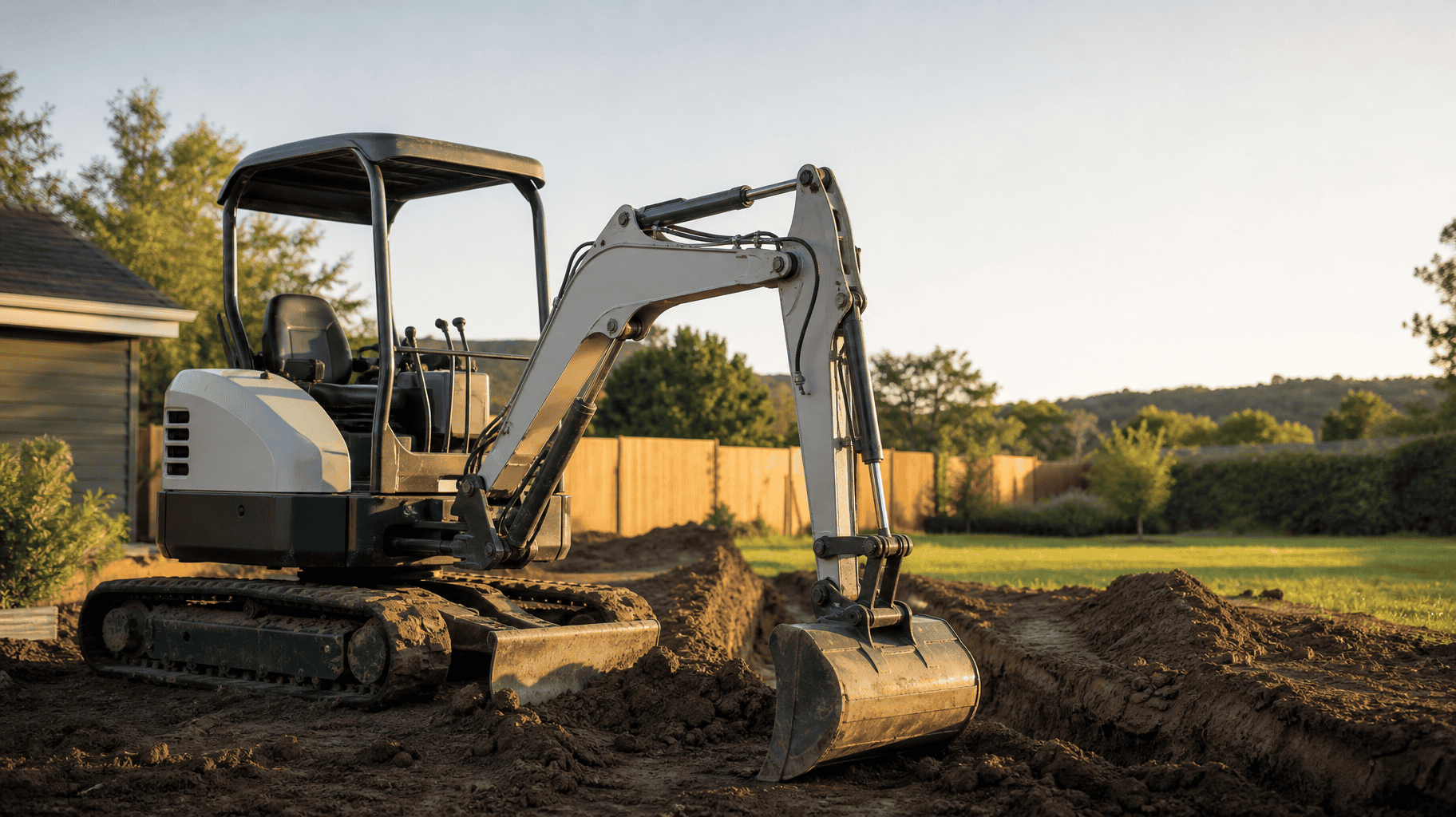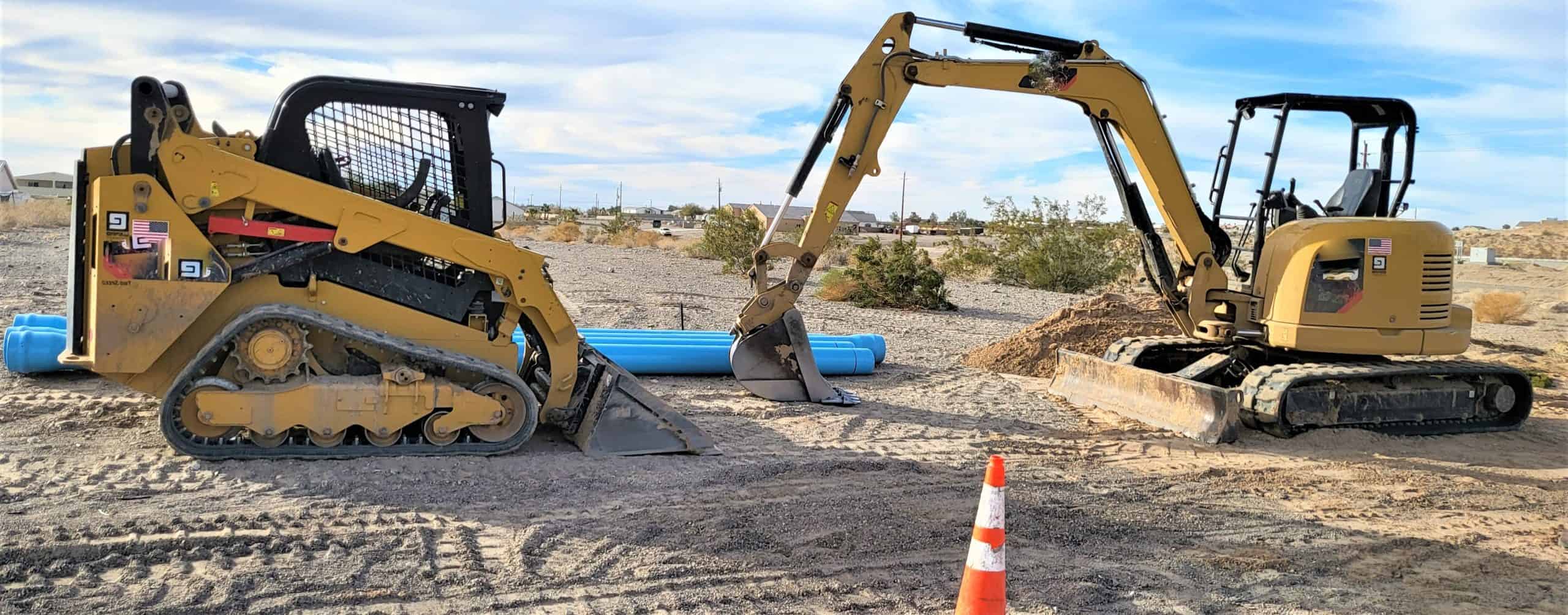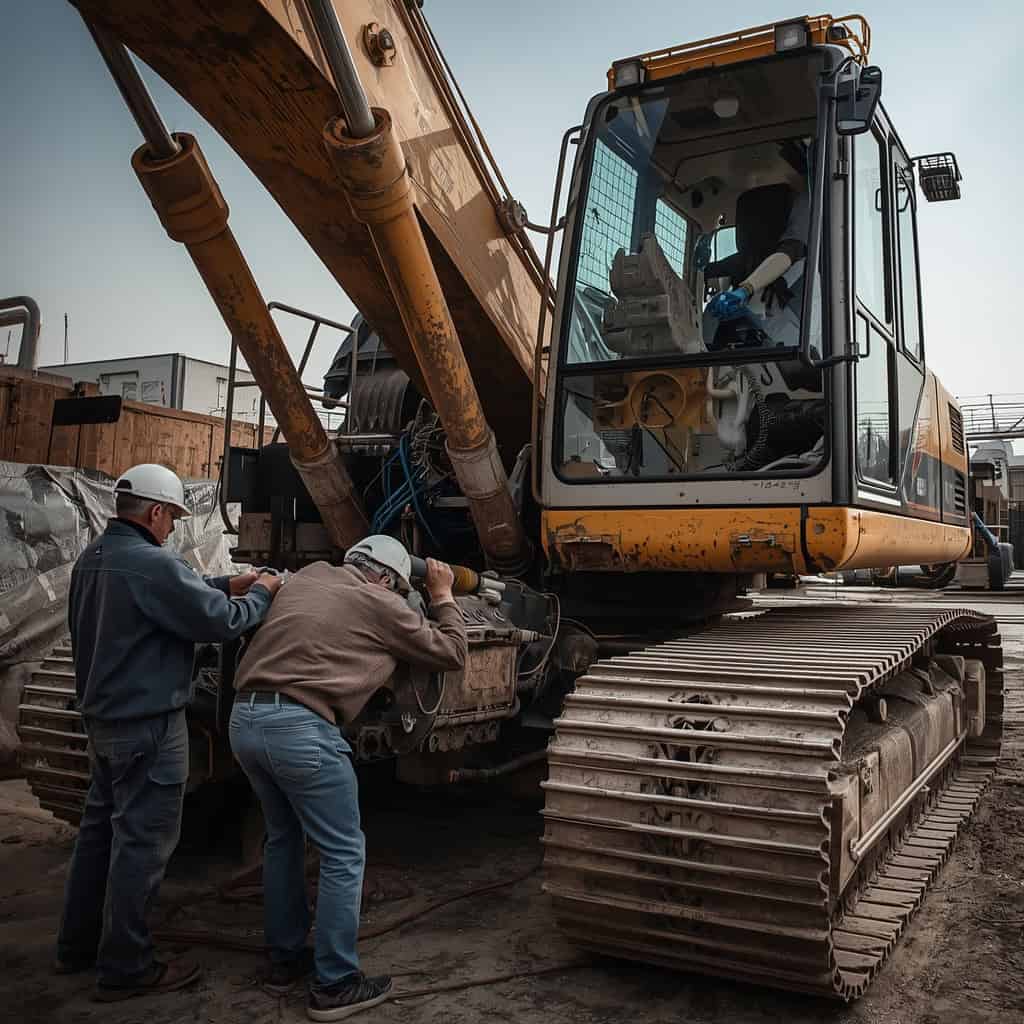
Proper excavator maintenance can reduce your operating costs by up to 30% depending on conditions. It stops those catastrophic breakdowns, too. You know, the disasters that kill your schedule.
Breakdown costs typically range from £15,000 to £50,000+, depending on severity and location. Verify current pricing with service providers in your area.
Reactive repairs versus preventive maintenance? It’s not just about money. It’s about keeping projects on track. Protecting your reputation. Staying competitive.
This guide walks you through daily inspections, major overhauls, and troubleshooting real problems. You’ll learn techniques that actually extend equipment life. Real-world methods that reduce downtime. Strategies that get more money back from your investment.
Important: Pricing, regulations, and best practices in excavator maintenance change regularly. Always verify current information with manufacturers and local authorities. Results vary based on equipment age, operating conditions, and maintenance history.
Trust me, the basics matter most.
Power Your Business with STM Trucks & Machinery
Whatever the size of your business, our experienced sales team will help you get the best from your budget.
Understanding Your Excavator’s Main Components and Systems
Modern excavators are complex machines. Every system depends on the others. They all need to work together properly.
Engine power drives the hydraulic system. The hydraulic system operates all digging functions. The undercarriage keeps everything stable and mobile. Electrical systems control the engine management and operator displays.
Implementing proven strategies for reducing excavator downtime through systematic maintenance prevents costly breakdowns and keeps projects on schedule. Planned maintenance windows cost far less than emergency repairs during critical project phases.
Know how these parts connect. It helps you figure out what to fix first.
Here’s a real example. A failing hydraulic filter affects pump performance. You get reduced digging force. Fuel consumption goes up. Worn undercarriage components? They create vibrations that stress the entire machine structure.
Most operators don’t think about these connections. Then they wonder why fixing one problem didn’t solve everything.
Engine System Fundamentals
The engine is your excavator’s powerhouse. It needs precise maintenance of oil circulation, air filtration, and fuel delivery. Modern engines have sophisticated emission control systems. They’re picky. They hate dirty fluids. Block the airflow? The engine throws a fit.
Oil analysis on every machine shows contamination levels and wear metals. You catch developing problems before they become expensive failures.
Hydraulic System Components
The hydraulic system runs under extreme pressures. Contamination will destroy it. Simple as that.
Microscopic dirt particles? They’ll wreck a pump in hours. Pump replacements typically cost £8,000+, depending on model and supplier. From tiny particles you can’t even see. This problem gets diagnosed hundreds of times every year. Drives people absolutely crazy because it’s preventable.
The system has main pumps, cylinders, motors, and valve blocks. They need precise fluid specs. Everything must be spotlessly clean during service. No exceptions.
Skip the cleaning? You’ll be buying a new pump soon.
Undercarriage and Track Assembly
Undercarriage work costs you the most money. Often exceeds 50% of total maintenance costs over the machine’s life. That’s why you need to do it right.
Track chains, shoes, rollers, and sprockets work in harsh conditions. They accumulate debris constantly. That debris accelerates wear like you wouldn’t believe.
Proper tension adjustment and regular cleaning stop premature failure. Most people ignore this until something breaks.
Daily Maintenance You Can’t Skip
Daily maintenance can prevent up to 85% of breakdowns before they start. Sounds simple, right?
Yet service calls happen every single week. “My excavator just died.” Yes, because the warning signs were ignored for three days. That’s what happened.
These checks take 15-20 minutes. Boring? Maybe. But they save hours of downtime. They save thousands in repair costs.
Your choice.
Fluid Level Checks and Leak Detection
Check your fluids daily. Engine oil. Hydraulic fluid. Coolant. Fuel. The machine needs to be on level ground for accurate readings.
Engine oil should sit between the min and max marks. Hydraulic reservoirs have sight gauges showing proper levels. Check the coolant when the system is cold. Hot systems will burn you with pressure releases.
Look for wet spots underneath your parked equipment. Staining. Puddles. Small weeping seals might indicate normal wear. Active drips need immediate attention.
Hydraulic leaks are the worst. High pressures make them dangerous. Plus, environmental contamination gets expensive fast.
Visual Component Inspections
Daily visual checks catch obvious damage. Look for changes from normal conditions.
Check boom and arm cylinders for scoring, bent pins, or excessive play. Examine bucket cutting edges and teeth. Side cutters, too. Wear patterns tell you when replacement is coming.
Hydraulic hoses need examination for abrasion, cracking, or bulging. Hoses blow out spectacularly. Not fun when you’re operating the machine.
Electrical connections should be clean and tight. No corrosion. No damaged insulation. Safety equipment must work properly. Lights. Backup alarms. All of it.
Operational Function Tests
Test hydraulic functions through the complete range of motion. Listen for unusual noises. Watch for irregular movement.
Slow or jerky operation? Hydraulic problems. Unusual sounds? Mechanical wear is happening right now.
Engine performance should be smooth and responsive. It should reach proper operating temperature within normal timeframes. Takes longer than usual? Something’s wrong.
When to Service What
Following a comprehensive excavator maintenance schedule tailored to your operating conditions prevents premature component failure and extends equipment life. Track actual operating hours and environmental factors to optimise service timing.
Manufacturers give you recommended intervals. Many operators follow industry expert schedules that balance performance with cost. Makes sense.
Harsh environments need shortened intervals. Light-duty applications can safely extend some service periods. Use your judgment based on actual conditions.
50-100 Hour Service Intervals
High-frequency maintenance focuses on lubrication and basic inspections. Plus consumable items that wear fast.
Greasing intervals vary by component and conditions. Pins and bushings? Service them every 8-10 hours in normal conditions. Harsh environments need daily greasing. Skip this, and contamination wrecks everything.
Air filter inspections become life-or-death in dusty conditions. Clogged elements restrict engine breathing. Engines die from dirty air filters. Operators always act surprised.
Fuel water separator drains should be checked daily in humid conditions. Condensation accumulates overnight. Water in your fuel system causes injection damage throughout the circuits.
250-500 Hour Service Requirements
Mid-range intervals involve fluid changes and filter replacements. These need equipment downtime for proper service.
Engine oil changes happen every 250-500 hours. Everyone says 250 hours. That’s the standard line. But here’s reality: harsh dusty sites? Change it to 150 hours. Clean indoor demolition work? You can stretch to 500.
Oil analysis proves this approach works. The standard advice is too simple.
Hydraulic filters need replacement every 500-1000 hours. Shorten those intervals in contaminated environments. Trust me on this.
Major component inspections identify wear trends. They help you predict future maintenance needs. Track wear measurements and hydraulic cylinder leakage rates give you data for planning and budgeting.
Most companies don’t track this data. Then they get shocked by unexpected expenses.
1000+ Hour Major Service Procedures
Major intervals involve big overhauls. Complete fluid system servicing. You typically need professional facilities with proper equipment for heavy component handling.
Cooling system overhauls, transmission servicing, and hydraulic rebuilds all fall into this category. Don’t attempt these without proper training and tools.
Hydraulic System Maintenance and Troubleshooting
The hydraulic system needs your highest attention. It’s complex. Contamination wrecks everything. Operating pressures exceed 350 bar. That amplifies the destructive potential of microscopic contaminants.
Modern excavators use sophisticated circuits with pilot controls. They need specific fluid specifications. No substitutions.
Hydraulic Fluid Management and Replacement
Hydraulic fluid serves as a power transmission medium and lubricant. It needs specific viscosity and cleanliness levels.
ISO cleanliness codes specify maximum particle counts. Excavator systems need 20/18/15 cleanliness or better. Fluid analysis programs monitor contamination trends. They predict the best change intervals.
Complete system flushing removes accumulated contaminants that simple draining leaves behind. Professional fluid exchange services achieve higher cleanliness levels than standard replacement methods.
Worth the extra cost? Absolutely.
Filter Systems and Contamination Control
Filtration systems use multiple components. Suction strainers. Pressure filters. Return filters. Breather caps prevent atmospheric contamination.
Each serves specific functions. They need coordinated replacement. Bypass indicators show when filters reach capacity. Then contaminants start bypassing filtration completely.
Contamination comes from three sources. External ingress through worn seals. Internal generation from component wear. Maintenance-introduced particles during service.
Preventing contamination costs way less than removing it after damage occurs. This can’t be stressed enough.
Engine Maintenance and Performance
Engine maintenance covers interconnected systems. They need coordinated care. Modern engines feature emission control systems and electronic management. They demand precise procedures.
Neglect engine maintenance? You get reduced power. Increased fuel consumption. Catastrophic failures that cost a fortune.
Oil System Maintenance and Monitoring
Engine oil provides lubrication, cooling, and contaminant suspension. It’s working hard in there.
Oil analysis programs track wear metals. Contamination levels. Additive depletion. This helps you find the best change intervals. It identifies developing problems before failures occur.
Complete drainage matters. Filters and cooler circuits need draining, too. Shortened intervals may be necessary during break-in periods. After repairs. Or in severe conditions.
Air and Fuel System Care
Multi-stage air filtration with pre-cleaners needs coordinated maintenance. Maximum protection requires attention to the whole system.
Restriction indicators show when primary elements need service. Simple but effective.
Fuel system maintenance includes water separation, filter replacement, and quality management. Water contamination causes injection system damage. It spreads throughout fuel circuits, causing problems everywhere.
Real case: A client’s excavator in Wales suffered from humid coastal conditions. The water separator never got drained. Injection system repairs cost over £12,000. Check current pricing with qualified service providers in your area.
Water separation deserves obsessive attention.
Common Engine Problems and Diagnostic Approaches
When troubleshooting excavator engine problems, start with the simplest causes: fuel quality, air filtration, and electrical connections before investigating complex internal issues. Systematic diagnosis prevents unnecessary component replacement and reduces diagnostic time by 40-60%.
Loss of power typically stems from restricted air intake, contaminated fuel, or failing injection components. Excessive smoke indicates combustion problems—black smoke suggests incomplete fuel burning, while blue smoke points to oil consumption from worn rings or seals.
Starting difficulties in cold weather often relate to battery condition, glow plug function, or fuel viscosity. Persistent hard starting regardless of temperature suggests fuel delivery problems or compression loss requiring professional assessment.
Undercarriage and Track System Maintenance
Undercarriage maintenance is your biggest expense. Worth repeating. Track systems work in direct contact with abrasive materials. They support machine weight. They handle transmission forces. They take more abuse than any other component.
Proper techniques for maintaining excavator undercarriage components reduce wear rates by 30-50% and extend service life from the typical 3,000-4,000 hours to 5,000-6,000 hours.
Track Tension and Alignment Procedures
You need proper tension. Too tight? You stress drive components. Too loose? You lose traction. The track can even come off.
Measurement procedures use specific techniques for consistent results. Learn them. Use them every time.
Track alignment affects wear distribution across shoes and contact points. Misalignment concentrates loads on edges. This causes premature replacement. Safety hazards, too.
Component Wear Assessment and Replacement
Track component wear measurement programs track condition. They predict replacement timing. Measuring track shoe height, roller diameter, and sprocket tooth wear gives you planning data.
Replacement timing balances use against failure risk. Replace too early and you waste money. Replace too late and you risk catastrophic failure during operation.
Finding that balance takes experience.
Lubrication Systems and Greasing Procedures
Good lubrication prevents metal-to-metal contact. Without it, you get rapid wear. Modern excavators have numerous points needing specific grease types. Application frequencies vary, too.
Understanding principles helps you improve procedures. It prevents both under-lubrication and over-lubrication problems.
Grease Selection and Application Techniques
Premium lithium complex greases perform better under extreme conditions. Multi-purpose greases suit general applications. Specialised formulations address specific requirements. High temperatures. Water resistance. Whatever you need.
Application techniques matter. You need proper coverage. But avoid over-greasing. Excess amounts attract contamination.
Grease until fresh lubricant appears. That confirms adequate coverage. But stop there.
Automatic Lubrication System Benefits
Automatic systems give you consistent intervals, no matter what the operator does. They pay for themselves fast. Reduced labour costs. Extended component life. Eliminated failures.
Installation costs are recovered within the first year through reduced maintenance labour. Smart operators won’t run equipment without them.
Proper Cleaning Procedures and Equipment Storage
Regular cleaning prevents corrosion. It identifies problems early. It maintains a professional appearance. This supports equipment value.
Proper techniques remove contaminants without damaging sensitive components. Environmental compliance matters too.
Environmental Compliance and Wash Station Setup
Wash stations must prevent contaminated runoff from reaching water systems. Containment systems collect wash water for proper treatment or disposal.
Violations result in huge fines. Fines for environmental violations can reach £25,000 or more, depending on jurisdiction and severity. Check current local regulations, as penalties vary significantly by region.
Often, it costs more than installing proper systems. Recycling systems reduce water consumption and disposal costs. They maintain cleaning effectiveness, too.
Troubleshooting Common Excavator Problems and Solutions
Good troubleshooting identifies root causes. Not symptoms. This prevents recurring problems.
Understanding system interactions helps you identify seemingly unrelated causes. Modern excavators include diagnostic systems. They provide error codes and status information. Use them.
Hydraulic System Diagnostics
Hydraulic problems show up as reduced performance. Erratic operation. Overheating. Unusual noises.
Pressure testing identifies circuit problems. Contamination analysis reveals cleanliness and wear conditions. Flow testing measures system capacity. It identifies pump wear or restrictions.
Work through these tests methodically. Shortcuts waste time.
Electrical and Engine Troubleshooting
Electrical problems need voltage and continuity testing. This identifies faulty components or poor connections. Modern systems include control modules communicating through data networks. You need specialised diagnostic equipment.
Engine diagnostics combine electronic analysis with traditional mechanical testing. Compression testing. Fuel system analysis. Emission evaluation. Together, they give you a complete assessment.
This forms the basis of expert troubleshooting that prevents costly downtime. Learn it well.
Tools and Equipment for Excavator Maintenance
Quality tools improve efficiency and accuracy. They improve safety, too. They reduce component damage risk during service.
Understanding requirements for different tasks helps you build complete collections. You’ll support better maintenance programs.
Diagnostic and Testing Equipment
Hydraulic pressure gauges, flow meters, and temperature sensors give you real data. Numbers don’t lie. Digital multimeters handle electrical diagnosis. Infrared thermometers identify overheating without contact.
Investment in quality equipment pays back through faster problem identification. Cheap tools cost more in the long run.
Maintenance Cost Management and Budget Planning
Good cost management balances immediate expenses against long-term equipment value. Against reliability, too.
Understanding relationships between preventive maintenance and breakdown repairs helps you make informed decisions. Track costs properly. It identifies trends and improvement opportunities.
Preventive Maintenance ROI Calculations
Preventive maintenance often provides 3:1 to 5:1 returns depending on operating conditions and equipment usage. You get reduced breakdown costs. Extended life. Improved productivity.
Full analysis includes direct expenses. Downtime costs. Productivity impacts. Hidden costs like emergency repair premiums often exceed direct repair costs.
Returns vary significantly based on equipment usage and operating conditions. Do the math. It’s worth it.
Maintenance Record Keeping and Documentation Systems
Good records support warranty claims. They support resale value. Regulatory compliance. Program improvement.
Digital systems give you accessibility and backup security. Analysis capabilities, too. Records should include service dates, procedures, parts used, hours, and observations.
Simple spreadsheets work fine. Some companies use fancy software. Doesn’t matter which. Just track everything consistently.
Seasonal and Environmental Maintenance Considerations
Operating environments change your requirements. Extreme temperatures. Humidity. Contamination. They all need adjusted procedures.
Understanding impacts helps you improve programs for specific conditions. It prevents environment-related failures, too.
Winter Preparation and Cold Weather Operations
Cold operations need low-viscosity fluids. They maintain flow characteristics at reduced temperatures. Battery capacity drops hard in cold weather. You need better charging or warmers for reliable starting.
Real case from January 2021: A client in Scotland faced panic. His excavator wouldn’t start. The temperature hit -15°C overnight. Standard hydraulic fluid turned into syrup. The battery was dead.
Cost him three days of downtime plus emergency callout fees. Low-viscosity fluids aren’t optional in winter. They’re survival gear.
Block heaters reduce starting loads. They allow faster warm-up, too.
Hydraulic systems need particular attention where high-viscosity fluids cause pump cavitation and slow operation. Gradual warm-up prevents component damage from thermal shock.
Professional Service vs DIY Maintenance Decision Making
Knowing when professional excavator repairs are necessary versus attempting DIY fixes prevents expensive mistakes and maintains warranty coverage. Complex hydraulic rebuilds, engine overhauls, and electrical diagnostics typically require specialised equipment and training.
Figuring out what to handle in-house versus sending out requires understanding skill requirements. Tool investments. Warranty implications. Safety considerations.
Key factors determine when repairs should be handled by professionals versus attempted in-house. Complex procedures needing specialised equipment? Send them out to qualified professionals.
When complex repairs exceed in-house capabilities, working with established service providers gives you access to specialised equipment, technical expertise, and genuine parts that protect your investment. Professional facilities have the diagnostic tools and component handling equipment needed for major overhauls.
Safety considerations often dictate professional requirements. Pressurised systems. Heavy components. Hazardous materials. Get help with these.
Cost-benefit analysis should consider tool investment and training costs. Liability implications, too. Not just direct service costs.
Building a Maintenance Program That Actually Lasts
Good maintenance programs balance immediate costs against long-term equipment value. Through preventive care and continuous improvement.
They combine manufacturer recommendations with operating experience and condition monitoring. Working closely with a full-service truck and machinery dealer helps. You get access to the right parts. Technical expertise. Service support is needed to keep equipment at peak performance.
You need clear procedures. Documentation systems. Performance metrics so you can assess and improve things.
Regular reviews identify improvement opportunities. They keep things aligned with your requirements, too.
Start using these practices immediately. Protect your equipment investment. Get reliable operation for years to come.
Consistent execution of basic procedures prevents most major problems. It builds the foundation for advanced program development. That delivers real competitive advantage in today’s demanding marketplace.
Most people ignore half of this advice. Then they make panicked calls when things break down spectacularly.
Don’t be that person.
Disclaimer: Information in this guide reflects general industry practices. Costs, regulations, and recommended procedures vary by region and change over time. Always consult equipment manufacturers, qualified service professionals, and local authorities for current requirements specific to your situation. Individual results vary significantly based on equipment condition, operating environment, and maintenance history.