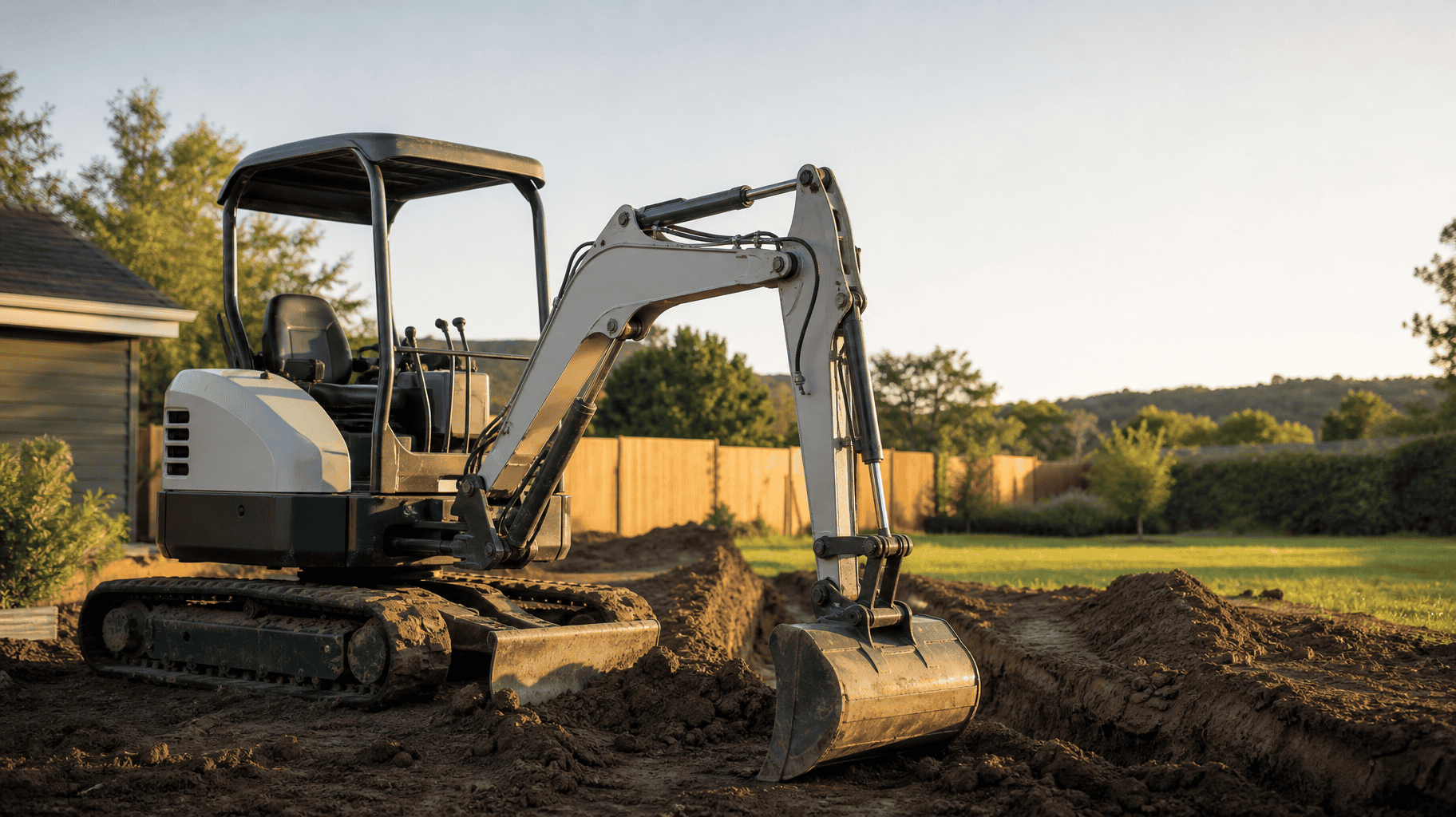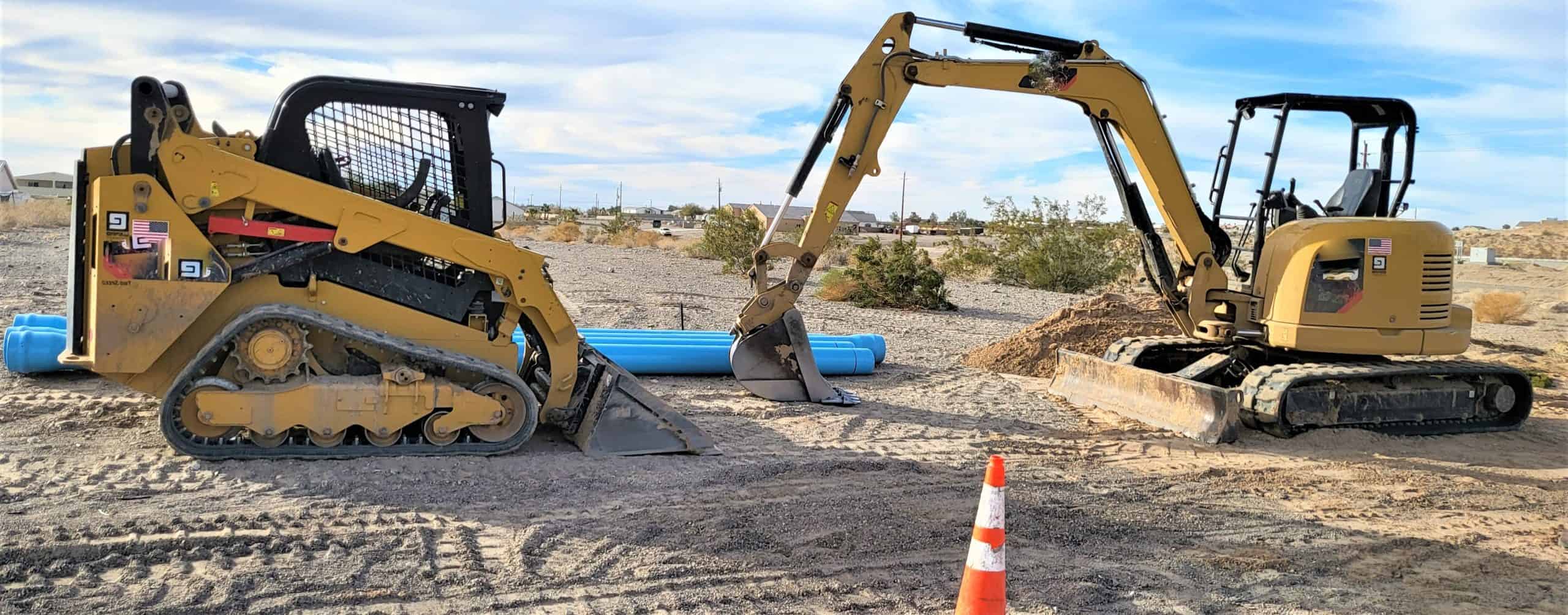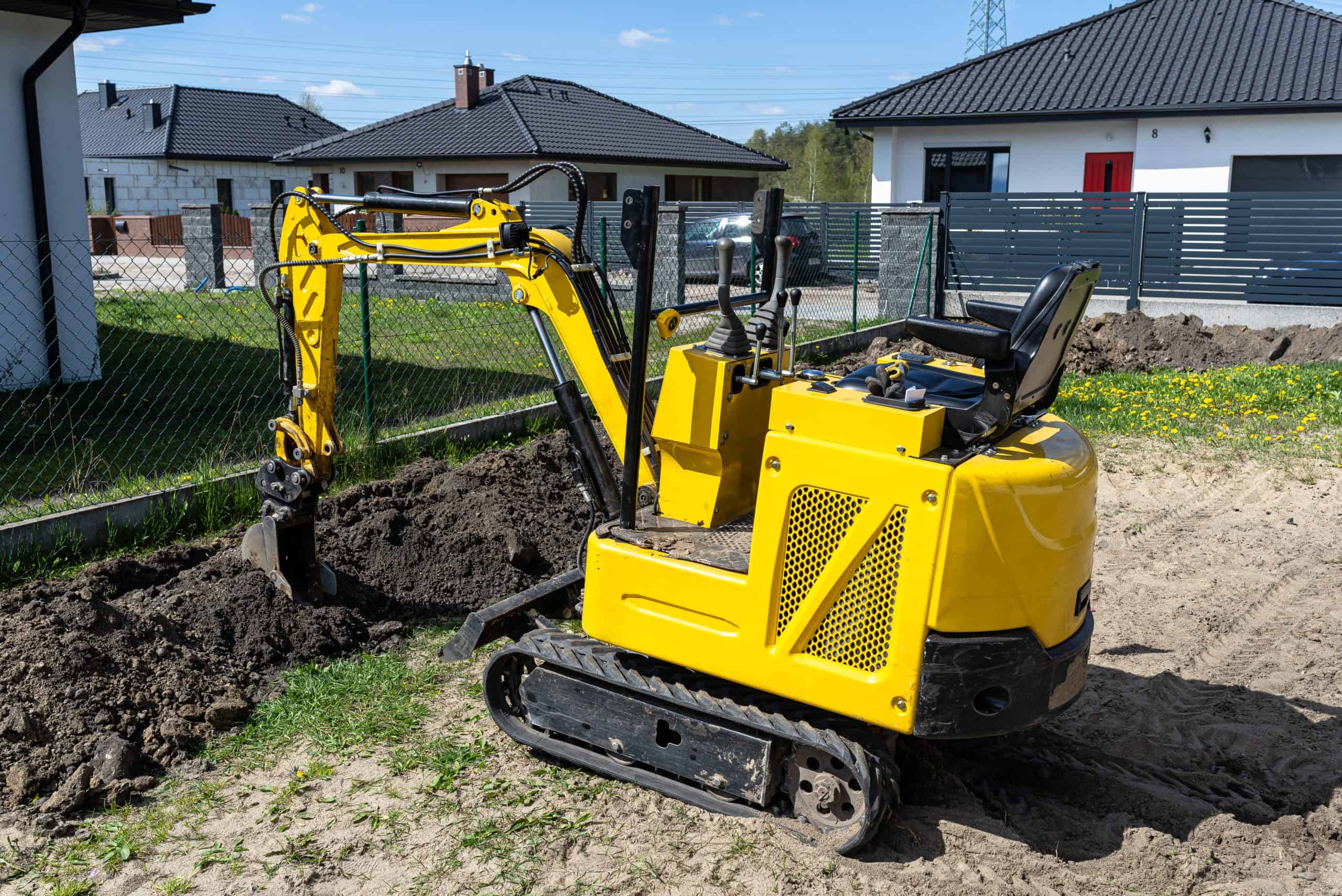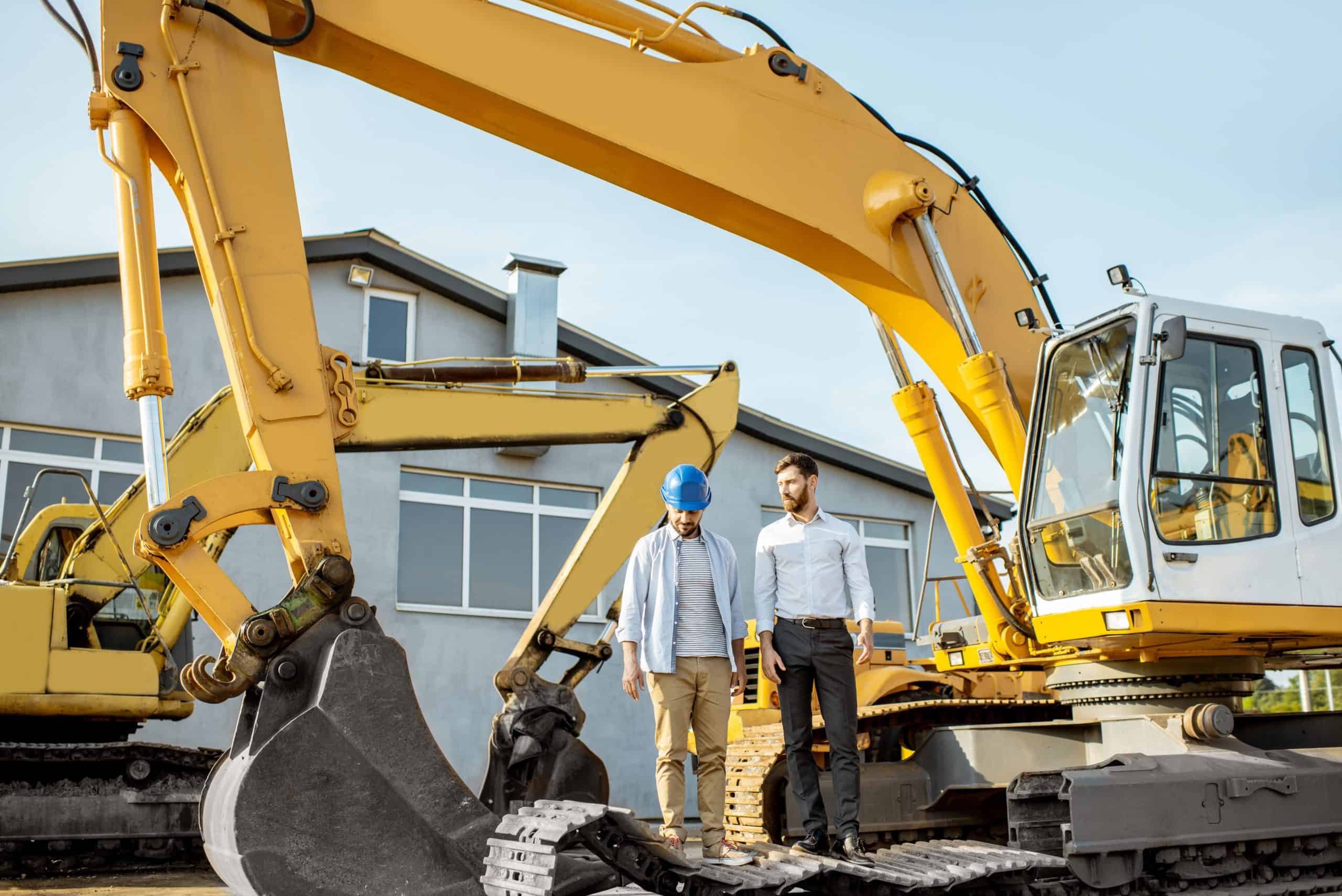
The decision between the mini excavator and the larger model costs NSW tradies more than almost any other equipment choice. We see the consequences at least twice a month: a landscaper buys a 1.7-tonne mini because it fits the budget, then spends $600-800 weekly hiring 5-tonne machines when jobs demand more capability. The opposite mistake is just as common. A tradie buys an 8-tonne machine thinking bigger is better, then discovers it won’t fit through residential gates and costs $450-600 in float transport every time it moves.
This guide breaks down the real differences between mini excavators (1-5 tonnes) and larger models (5+ tonnes) for NSW conditions. We compare capability, transport requirements, site access, running costs, and the jobs each size handles best. The goal is simple: help you choose the right category for your actual work, not the work you imagine doing.
Note: Regulations, pricing, and specifications in this guide reflect conditions as of early 2025. Market conditions and requirements change, so always verify current information with relevant authorities and suppliers before making purchasing decisions.
STM Trucks & Machinery, a family-owned equipment dealer with over 50 years of experience serving New South Wales, has helped businesses across Sydney, the South Coast, and the Canberra region work through this exact comparison. The right choice becomes a profit centre. The wrong one becomes an expensive lesson lasting 5-7 years.
Power Your Business with STM Trucks & Machinery
Whatever the size of your business, our experienced sales team will help you get the best from your budget.
Mini Excavators vs Larger Models: The Complete Comparison
Before diving into specifics, here’s how mini excavators stack up against larger models across every factor that matters for NSW tradies.
| Factor | Mini Excavators (1-5T) | Larger Models (5-10T+) | Winner For Most NSW Tradies |
| Purchase price | $20,000-85,000 | $80,000-180,000+ | Mini |
| Transport | Standard trailer + ute | Float required ($450-700/move) | Mini |
| Site access | 1.0-1.7m width | 1.7-2.2m+ width | Mini |
| Digging depth | 2.5-4.5m | 4.5-7m+ | Larger (if needed) |
| Breakout force | 12-40kN | 40-60kN+ | Larger (for tough ground) |
| Fuel consumption | 4-12 litres/hour | 12-25 litres/hour | Mini |
| Residential suitability | Excellent | Limited | Mini |
| Commercial earthworks | Limited | Excellent | Larger |
The bottom line: Mini excavators win on cost, transport, and access. Larger models win on raw capability. For most NSW landscapers and residential contractors, mini excavators handle the vast majority of work. Larger models make sense only when you genuinely need more digging depth, breakout force, or material-moving capacity regularly.
Understanding the Size Categories
Excavators fall into distinct weight classes, each with different capabilities and transport requirements. Here’s how the industry defines these categories and what the specifications mean in practice.
What Counts as a Mini Excavator
Mini excavators cover the 1-5 tonne operating weight range. This category breaks down further:
Micro minis (under 1 tonne) squeeze through 700-750mm openings and handle light trenching to 1.5-2 metres. Limited to 8-12kN breakout force. Best for NBN installation and extremely tight access.
Small minis (1-2 tonnes) fit through 1.1-1.2 metre gates, dig 2.5-3.2 metres deep, and deliver 12-18kN breakout force. The sweet spot for residential landscaping.
Medium minis (2-3.5 tonnes) handle tougher ground with 18-28kN breakout force and 3-3.5 metre digging depth. Still transportable on heavy-duty tandem trailers.
Large minis (3.5-5 tonnes) push the upper limits of self-transport capability. Digging depth of 3.5-4.5 metres and 28-40kN breakout force. Suitable for pool excavation and serious drainage work.
What Counts as a Larger Model
Larger excavators start at 5 tonnes and include:
Midi excavators (5-10 tonnes) deliver 40-70 horsepower, 4-5.5 metre arm reach, and 40-55kN breakout force. Midi excavators require float transport and 1.8-2.2 metre site access.
Standard excavators (10-20 tonnes) provide 5-7 metre digging depth and 55-80kN breakout force. Built for commercial earthworks, subdivision development, and large-scale civil projects.
What operating weight means: Operating weight includes fuel, hydraulic oil, and operator (80-100kg). Don’t confuse it with shipping weight, which runs 200-400kg lighter. A machine listed at 4.8 tonnes shipping weight actually operates over 5 tonnes, pushing it into float transport territory.
Capability Comparison: What Each Size Actually Does
Raw specifications only tell part of the story. What matters is how digging depth, reach, and breakout force translate to real jobs on NSW sites.
Digging Depth and Reach
| Machine Category | Typical Digging Depth | Arm Reach | Best Applications |
| 1-2T mini | 2.5-3.2m | 3.5-4.5m | Garden beds, light trenching, small footings |
| 2-3.5T mini | 3-3.5m | 4-5m | Retaining walls, drainage, residential pools |
| 3.5-5T mini | 3.5-4.5m | 4.5-5.5m | Deep drainage, concrete pools, site prep |
| 5-8T midi | 4-5.5m | 5.5-7m | House pads, large pools, and commercial drainage |
| 8-10T+ standard | 5-7m+ | 7-9m+ | Subdivision work, commercial earthworks |
Practical translation: A 1.7-tonne mini digger digs 2.5 metres, which covers nearly all residential landscaping. Pool excavation (1.8-2.8 metre depth plus over-dig) requires a minimum of 3.5 tonnes. House pad preparation and commercial work need 5+ tonnes.
Breakout Force: Why It Matters for Sydney Soils
Breakout force determines how effectively the bucket cuts through the ground. This matters significantly in NSW, where clay soils dominate Western Sydney, the Illawarra, and many inland areas.
| Machine Size | Typical Breakout Force | Soil Suitability |
| 1-1.5T | 8-15kN | Sandy loam, soft clay, garden soil |
| 1.7-2.5T | 15-22kN | Most residential soils, medium clay |
| 3-4T | 22-35kN | Heavy clay, weathered rock, shale |
| 5-8T | 35-55kN | Hard clay, soft rock, difficult ground |
| 8T+ | 55kN+ | Rock, hardpan, commercial excavation |
Sydney soil reality: Clay soil weighs 1.6-2.0 tonnes per cubic metre, depending on moisture (versus 1.4-1.6 for sandy loam). An underpowered machine in clay doesn’t just work slower. It strains hydraulics, burns more fuel, and accelerates wear on bucket teeth ($80-150 each, replaced every 200-400 hours in tough conditions).
The comparison: If you’re working in Western Sydney or Illawarra clay regularly, a 2.5-tonne mini with 18-22kN breakout force handles it competently. You don’t need a 5-tonne machine for clay alone. But attempting pool excavation in heavy clay with a 2.5-tonne unit adds 4-8 hours to a job that should take 6-10 hours with a 3.5-4 tonne machine.
Transport: The Hidden Cost That Changes Everything
Transport requirements represent the single biggest practical difference between mini and larger excavators. This factor alone determines whether a machine makes money or drains it.
Mini Excavators: Self-Transport Capability
Mini excavators up to approximately 2.8-3 tonnes can travel on standard tandem plant trailers behind a dual-cab ute.
The maths:
- Standard tandem trailer ATM: 2,900-3,500kg
- Trailer tare weight: 500-750kg
- Payload capacity: 2,200-2,800kg
- Toyota HiLux/Ford Ranger towing capacity: 3,500kg maximum
Practical limit: A 2.9T ATM trailer (600kg unladen) safely carries machines up to 2.3 tonnes. A 3.5T ATM plant trailer handles up to 2.8 tonnes. Beyond that, you need a heavier trailer and a towing vehicle rated for 4,500kg+.
What size excavator can I tow with my HiLux or Ranger? With a 3,500kg towing capacity, you can legally tow a 2.9T ATM trailer carrying an excavator up to approximately 2.2-2.3 tonnes operating weight. For a 3-tonne excavator, you need a heavy-duty trailer (4.5T+ ATM) and a larger towing vehicle.
Transport cost for minis: Fuel only. Moving a 2-tonne excavator 50km costs $20-40 in diesel. For loading procedures, tie-down requirements, and NSW compliance rules, read our guide on how to transport a mini excavator safely.
Larger Models: Float Transport Required
Once you exceed 4-4.5 tonnes, you’re into float transport territory.
Greater Sydney float costs:
- Under 50km: $450-700 per movement
- South Coast/Blue Mountains: $550-850 per movement
- Regional NSW: $600-1,000+ per movement
The annual impact: If you’re moving a larger machine that requires float transport twice weekly, that’s $900-1,400 in transport alone. Over a year, that’s potentially $40,000-60,000+ just getting the excavator to jobs.
Real example: I’ve seen at least 20 tradies buy 6-8 tonne excavators because they got a “great deal” ($15,000-25,000 under market), then use the machine 3-4 times monthly because the transport hassle outweighs the benefits. A “bargain” machine that sits in your yard most of the month isn’t a bargain. That’s dead capital.
Site Access: Where Larger Models Fail
Site access width determines which excavator sizes can physically reach work areas. This constraint overrides all others.
Sydney Residential Access Reality
| Location Type | Typical Access Width | Maximum Machine Width |
| Inner-west terraces | 800-1000mm | 1.5T micro/mini |
| Standard side gates | 900-1200mm | 2.5T mini |
| Newer suburbs | 1200-1500mm | 3.5T mini |
| Fence panel removal | 1500-1800mm | 5T midi (tight) |
| Driveway access only | 2400mm+ | Any size |
Machine Widths by Category
| Machine Size | Typical Width | Minimum Clear Access Needed |
| 1-1.5T mini | 980-1100mm | 1050-1150mm |
| 1.7-2.5T mini | 1100-1400mm | 1200-1500mm |
| 3-4T mini | 1400-1700mm | 1500-1800mm |
| 5-6T midi | 1700-2000mm | 1850-2100mm |
| 8T+ standard | 2200mm+ | 2400mm+ |
The comparison: A 2-tonne mini fits through standard residential side gates. A 5-tonne midi requires fence panel removal or crane-over access on most Sydney residential blocks. An 8-tonne machine needs full driveway access, or it won’t get in at all.
Measure before you buy: Check gates at your last 20 job sites. If most have less than 1.3 metres of access, stay under 2.5 tonnes regardless of other factors.
Zero Tail Swing: The Mini Excavator Advantage
Zero-tail-swing excavators have the counterweight contained within the track width, enabling rotation without striking obstacles. This feature is common in mini excavators and rare in larger models.
Is zero tail swing worth the approximate 10-15% price premium ($4,000-8,000 extra)? If you do confined-space work more than twice weekly, and in Sydney, that covers most residential landscaping, absolutely yes.
Kobelco, known for fuel efficiency (reportedly 10-15% lower consumption than some competitors) and reduced noise, produces excellent zero-tail-swing minis, including the SK17SR-7 (1.7T) and SK28SR-7 (2.8T).
Running Costs: Mini vs Larger Models
Beyond the purchase price, ongoing costs shape the true economics of ownership. Fuel consumption and capital outlay differ substantially between size categories.
Fuel Consumption Comparison
| Machine Size | Litres per Hour | Daily Cost (8 hours) | Annual Cost (1,500 hours) |
| 1-1.5T mini | 4-6L | $48-72 | $9,000-13,500 |
| 1.7-2.5T mini | 5-8L | $60-96 | $11,250-18,000 |
| 3-4T mini | 7-12L | $84-144 | $15,750-27,000 |
| 5-6T midi | 10-16L | $120-192 | $22,500-36,000 |
| 8-10T standard | 15-25L | $180-300 | $33,750-56,250 |
Based on $1.60/litre diesel
The comparison: A 5-tonne midi burns roughly double the fuel of a 2.5-tonne mini. Over a year of full-time use, that’s $10,000 to $ 18,000 in additional fuel costs.
Purchase Price Comparison
| Size | New Price Range | Quality Used (3-6 years) | Weekly Finance (5 years, 20% deposit) |
| 1-1.5T mini | $20,000-42,000 | $14,000-28,000 | $95-195 |
| 1.7-2.5T mini | $35,000-62,000 | $20,000-42,000 | $160-290 |
| 3-4T mini | $55,000-85,000 | $32,000-58,000 | $255-395 |
| 5-6T midi | $80,000-120,000 | $48,000-82,000 | $370-560 |
| 8-10T standard | $120,000-180,000 | $72,000-120,000 | $560-840 |
Prices reflect typical market ranges as of early 2025. Verify current pricing with suppliers as market conditions change. Finance rates and terms vary by lender and applicant.
The capital difference: A 5-tonne midi costs $25,000-35,000 more than a 3-tonne mini new, and $16,000-24,000 more used. That capital difference alone covers 2-3 years of occasional larger machine hire.
Job Matching: When Each Size Wins
Different jobs favour different machines. Here’s how common NSW landscaping and earthwork tasks match up against excavator size categories.
Jobs Where Mini Excavators Excel
| Job Type | Ideal Mini Size | Time Estimate | Why Mini Wins |
| Garden bed excavation | 1-1.7T | 1-2 hours | Access, cost efficiency |
| Small retaining walls | 1.7-2.5T | 2-4 hours | Gate access, manoeuvrability |
| Stormwater trenches | 1.7-2.5T | 3-5 hours | Access, self-transport |
| Stump removal | 1.7-2.5T | 20-45 min each | Access, precision |
| Driveway prep | 2-3T | 4-6 hours | Residential access |
| Fibreglass pool dig | 3-4T | 6-10 hours | Depth + access balance |
| Drainage installation | 2.5-4T | 4-8 hours | Trench precision |
For a deeper look at how mini excavators handle these tasks and the productivity gains you can expect, see our complete guide to mini excavator uses and benefits.
Jobs Where Larger Models Win
| Job Type | Minimum Size | Time Estimate | Why Larger Wins |
| Concrete pool (deep) | 4-5T | 8-14 hours | Depth, breakout force |
| House pad preparation | 5-8T | 1-2 days | Volume, productivity |
| Large retaining walls | 5-8T | 1-3 days | Lift capacity, reach |
| Commercial drainage | 6-10T | 2-5 days | Depth, volume |
| Subdivision earthworks | 10T+ | Weeks | Scale, efficiency |
| Dam construction | 10T+ | Days-weeks | Volume, capability |
The honest comparison: If house pads, commercial drainage, and large civil works represent more than 40% of your jobs, a larger machine earns its keep. If residential landscaping, pools, and drainage represent most of your work, a mini handles it better.
How long does pool excavation take with different excavator sizes? A standard 8×4 metre fibreglass pool takes 6-10 hours with a 3.5-4 tonne mini excavator in reasonable soil. The same job takes 4-6 hours with a 5-tonne midi. The time savings rarely justify the transport costs and access limitations of the larger machine for most residential pool contractors.
The Buy vs Hire Decision: Own a Mini, Hire Larger
For most NSW tradies and landscapers, the optimal strategy is clear: own a mini excavator sized for your regular work, hire larger machines for occasional bigger jobs. Our mini excavator buying guide for Australia covers the full breakeven formula, maintenance costs, and what to look for when purchasing.
When Hiring Larger Makes Sense
If your work pattern looks like this, with most jobs handled by a 2.5-3 tonne excavator and the remainder needing something bigger, own the smaller machine and hire occasionally for large jobs.
The maths usually works out:
Hiring when needed:
- 5-8 tonne excavator: $450-650/day + $500-700 transport each way
- Average 2-3 larger jobs monthly: $1,800-4,000/month
- Annual hire: $21,600-48,000
Versus owning a larger machine:
- Extra purchase price: $40,000-70,000
- Additional finance costs: $6,000-12,000/year
- Float transport (twice weekly): $38,000-55,000/year
- Higher fuel and maintenance: $7,000-14,000/year
- Total additional cost: $51,000-81,000 annually
The verdict: Unless you’re using a larger machine most working days, hiring beats owning.
Hire Rates for Comparison (Sydney Region)
| Size | Daily Rate (Wet Hire) | Weekly Rate |
| 1.5T mini | $280-380 | $1,200-1,600 |
| 3T mini | $380-500 | $1,600-2,200 |
| 5T midi | $480-650 | $2,100-2,800 |
| 8T standard | $650-850 | $2,800-3,800 |
How many hours per week do I need to justify buying an excavator? Most landscaping businesses need 15-20+ billable hours weekly for ownership to beat hiring. Individual results depend on your specific costs, utilisation rates, and local hire availability. Below 12-15 hours weekly, hiring typically costs less.
Equipment dealers often provide finance solutions through lender partnerships, making it easier to acquire equipment without large upfront capital outlays.
Licensing: Same Requirements, Different Practicalities
Licensing requirements don’t change based on excavator size, but the practical implications differ.
NSW Competency Requirements
Specific excavator operator licences were abolished in 2011 under the Work Health and Safety Act. You no longer need an “LE” licence class for any excavator size.
However, SafeWork NSW requires demonstrated competency. The PCBU (Person Conducting a Business or Undertaking) must ensure operators are properly trained.
Note: Regulations change over time. Verify current requirements with SafeWork NSW before relying on this information for compliance purposes.
What typically counts as competency evidence:
- Statement of attainment in RIIMPO320F (Conduct Civil Construction Excavator Operations), typically $500-$900 for a 2-3 day course
- Verification of Competency (VOC) from a qualified assessor, typically $150-$400 for a half-day assessment
- Logbooks showing 40-100+ hours of supervised experience
- Previously issued certificates under pre-2011 regulations
The practical difference: Mini excavators are more forgiving for operators with building experience. Larger machines require more skill to operate efficiently and safely. Site managers on commercial jobs often scrutinise competency documentation more closely for larger equipment.
Contractor Licence Requirements
In NSW, you need a contractor licence through NSW Fair Trading to perform excavation work on residential building projects valued over $5,000 (labour and materials, including GST). This applies regardless of excavator size.
Penalties for unlicensed contracting can reach $22,000 for individuals and $110,000 for corporations per offence. Penalty amounts reflect current legislation but may change. Check with NSW Fair Trading for current requirements.
Making the Choice: A Decision Framework
Work through these questions systematically before committing to either a mini or larger excavator.
Question 1: What do you do most often?
List every job type from the past 6-12 months. Be honest about what you actually do, not what you’d like to do. If residential landscaping, drainage, and pool work dominate, you’re in mini territory.
Question 2: What’s your site access reality?
Measure gates at 15-20 recent job sites. If most have less than 1.3 metres of access, a larger excavator won’t fit. Access constraints prevent larger models from being used by many NSW residential contractors.
Question 3: Can you transport it yourself?
If your trailer and towing setup handles 3,000kg, your choice maxes out at around 2.2 tonnes. Budget $15,000-35,000 for heavy-duty trailer upgrades if you want to self-transport larger minis.
Question 4: How often do you actually need more capability?
If “bigger jobs” happen 6-10 times annually, hire larger equipment for those occasions. If they happen twice weekly or more, owning a larger machine starts making sense.
Question 5: Does the maths work?
Calculate total annual ownership cost (finance, insurance, maintenance, transport, fuel) and divide by billable hours. If your cost-per-hour significantly exceeds hire rates, reconsider buying.
Power Your Business with STM Trucks & Machinery
Whatever the size of your business, our experienced sales team will help you get the best from your budget.
Conclusion
The decision between the mini excavator and the larger model comes down to practical reality, not theoretical capability. Mini excavators win on cost, transport flexibility, and site access. Larger models win on raw power and productivity for big jobs.
For most NSW landscapers and residential contractors, a 1.7-3.5 tonne mini excavator handles the vast majority of work while remaining self-transportable and accessible on typical sites. The economics favour owning a mini and hiring larger machines for the handful of jobs annually that genuinely demand more capability.
The most expensive excavator is the one that doesn’t match your actual work. A larger machine sitting idle because it won’t fit through gates or costs hundreds to transport isn’t an asset. It’s a liability eating your profits.
Information in this guide is general in nature. Individual circumstances, market conditions, and regulations change. Consult relevant authorities and obtain professional advice before making significant equipment purchases. STM Trucks & Machinery has helped NSW businesses work through this exact comparison for over 50 years. Our team can walk through your specific requirements and demonstrate machines across the size range, including Kobelco’s mini excavator lineup. Visit us at 20-26 Dunn Road, Smeaton Grange; 1 Paterson Parade, Queanbeyan West; or 7-9 Glastonbury Avenue, Unanderra. Or call 1300 305 420 for straight advice from people who understand the mini-versus-larger decision, based on decades of experience.